
What's Happening?
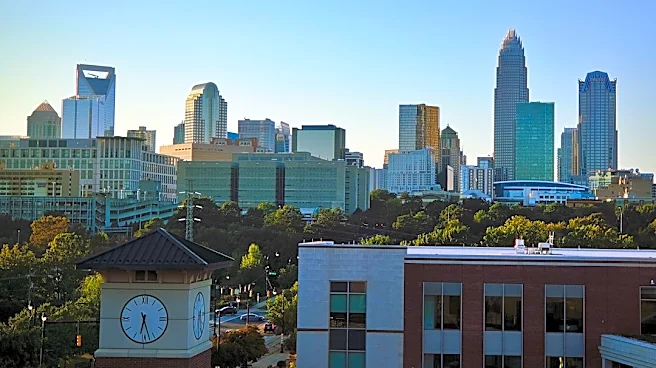
Charlotte, North Carolina, often referred to as the 'Queen City,' is a bustling urban center with a population exceeding 850,000 residents. The city is characterized by its upscale apartment communities,
such as Circa Uptown, which offer modern amenities and convenient access to public transportation. Beyond its residential appeal, Charlotte is also recognized for its robust job market, providing various career opportunities. For instance, Concentrix is currently offering remote customer service positions, highlighting the city's diverse employment landscape and its adaptability to modern work trends. This blend of residential comfort and professional prospects contributes to Charlotte's dynamic environment.
Why It's Important?
The growth and characteristics of Charlotte are important for understanding urban development trends in the U.S. The presence of upscale apartment communities like Circa Uptown signifies a demand for high-quality urban living, which can drive local real estate markets and influence housing policies. The emphasis on modern amenities and public transit reflects a broader shift towards sustainable and convenient urban lifestyles, potentially impacting infrastructure planning and investment in public transportation systems. Furthermore, the availability of remote career opportunities, such as those offered by Concentrix, underscores the evolving nature of the U.S. job market. This trend can attract a diverse workforce, stimulate economic growth, and influence corporate strategies regarding remote work policies, ultimately shaping the future of employment in major U.S. cities.
What's Next?
Looking ahead, Charlotte is likely to continue its trajectory as a significant urban center in the U.S. The ongoing development of upscale residential properties and the expansion of public transit options suggest a sustained focus on enhancing urban living quality. This could lead to further investments in infrastructure and community services to accommodate the growing population. The continued availability of remote work opportunities is expected to attract more professionals to the city, potentially increasing demand for both housing and local services. Businesses may further adapt their operational models to incorporate remote work, influencing office space utilization and urban planning. Additionally, the city's economic development initiatives will likely continue to focus on attracting diverse industries and fostering job creation, solidifying Charlotte's role as a key economic hub.
Beyond the Headlines
The narrative of Charlotte as a 'Queen City' with a large population and diverse opportunities points to deeper societal and economic shifts. The rise of upscale apartment communities and the emphasis on modern amenities reflect changing consumer preferences and the premium placed on convenience and quality of life in urban settings. This trend can also highlight issues of affordability and gentrification, as increased demand for upscale living might impact housing costs for existing residents. The prevalence of remote work opportunities, while offering flexibility, also raises questions about the future of traditional office spaces and the potential for a more distributed workforce. This could lead to re-evaluations of urban planning, transportation needs, and the social fabric of communities, as the lines between work and home life become increasingly blurred. Charlotte's development serves as a microcosm for broader discussions about urban sustainability, economic equity, and the evolving nature of work in the 21st century.