





What's Happening?
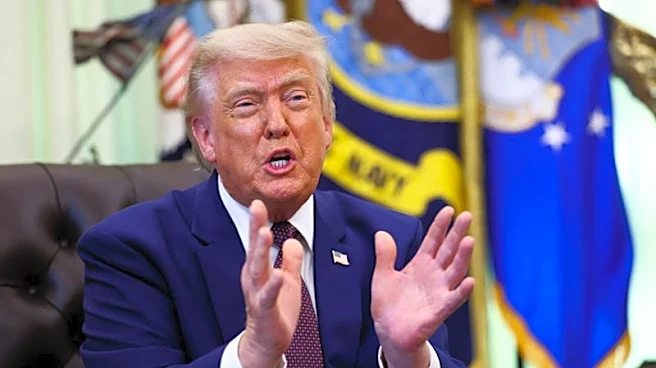
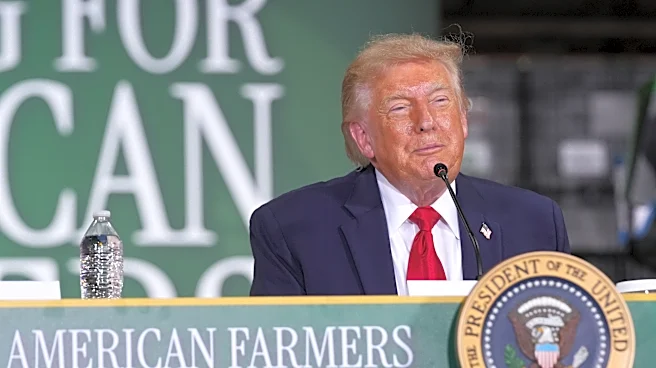
Megyn Kelly has publicly defended President Trump's decision to abruptly end his interview with NBC's Kristen Welker during a contentious exchange. The interview, which took place in Wisconsin, saw Trump walking out after accusing Welker and NBC News
of being 'crooked' and 'stupid.' Kelly, speaking on her SiriusXM show, criticized Welker for making the interview about herself and NBC's reputation rather than focusing on the issues at hand. She argued that Welker mishandled the situation by not acknowledging Trump's concerns about California's vote-counting process, which Kelly described as undermining public confidence. Kelly suggested that Welker should have attempted to defuse the tension by being more playful and accommodating, given Trump's visible agitation during the interview.
Why It's Important?
The incident highlights ongoing tensions between President Trump and major media outlets, particularly regarding election-related issues. Kelly's defense of Trump underscores the divide in media perspectives on how interviews with political figures should be conducted. This event may influence public perception of media credibility, especially concerning election coverage. It also reflects broader debates about journalistic integrity and the balance between challenging political figures and maintaining a constructive dialogue. The criticism of California's vote-counting process could further fuel skepticism about election administration, impacting voter trust and engagement.
What's Next?
The fallout from this interview may lead to increased scrutiny of media practices and their handling of political interviews. NBC News and Kristen Welker may face pressure to respond to Kelly's criticisms and defend their approach. This incident could also prompt discussions within media organizations about strategies for interviewing contentious figures like President Trump. Additionally, the focus on California's vote-counting process may lead to calls for reforms or investigations into election administration practices, potentially influencing future electoral policies.
Beyond the Headlines
The broader implications of this event touch on the ethical responsibilities of journalists when interviewing high-profile political figures. It raises questions about the role of media in shaping public discourse and the potential consequences of perceived bias or partisanship. The incident may contribute to ongoing debates about media polarization and its impact on democratic processes. Furthermore, it highlights the challenges journalists face in maintaining objectivity while addressing controversial topics, such as election integrity and political accountability.