



What's Happening?
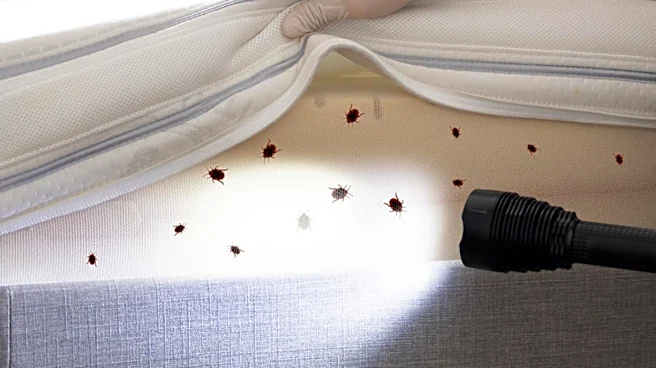
Residents in Las Vegas and Henderson, particularly in the East Valley, are experiencing a significant and ongoing cockroach infestation. Since Sunday, numerous reports have emerged from homeowners in both cities, with affected areas spanning over a mile
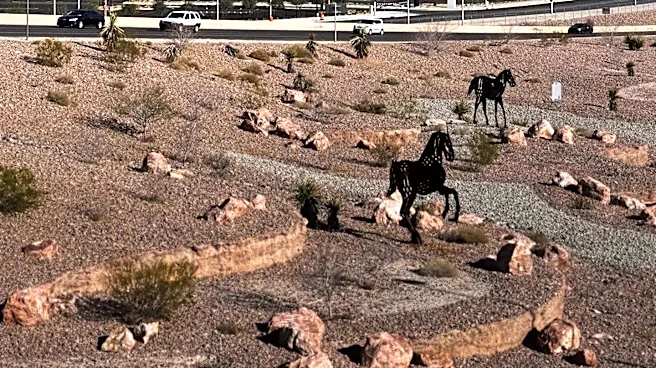
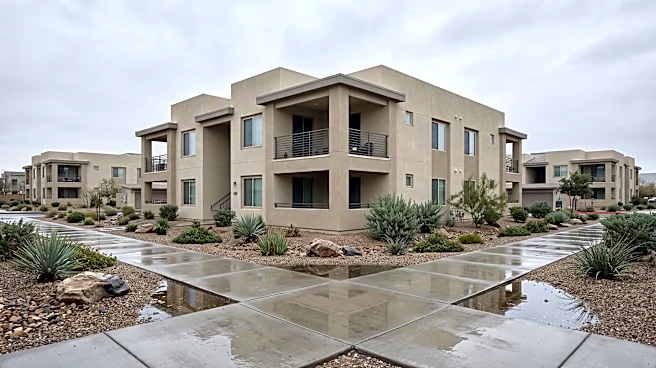
apart. Many residents believe the problem stems from construction activities near the Clark County Wetlands. However, a Clark County spokesperson has attributed the widespread increase in insect activity more broadly to recent wet weather conditions rather than localized construction. The issue is severely impacting daily life for residents, with some, like Kae from Tesoro Apartments, resorting to extreme measures such as sleeping in tents and taking showers at the gym to avoid the pests in their homes. Pest control companies in the area have reported a substantial increase in service calls, with one company noting a 30% rise in the past week.
Why It's Important?
This widespread cockroach infestation poses significant public health and quality of life concerns for residents in Las Vegas and Henderson. Cockroaches are known carriers of bacteria and allergens, which can exacerbate respiratory issues and spread diseases, particularly in residential settings. The disruption to daily life, as evidenced by residents avoiding their homes and taking drastic measures, highlights the severe impact on mental well-being and comfort. Economically, the surge in pest control calls indicates an unexpected financial burden on households and potentially on property management companies. The debate over the cause—whether construction or weather—is crucial for determining accountability and implementing effective, long-term solutions. If the issue is primarily environmental, broader public health initiatives might be necessary, whereas if construction is a major factor, developers might face pressure to mitigate their impact. The consideration of legal action by residents underscores the seriousness of the problem and the potential for broader legal and financial ramifications for involved parties.
What's Next?
Clark County officials are currently investigating potential options for insect remediation efforts around the Wetlands, although they maintain that recent wet conditions are the primary cause of the regional increase in cockroach activity. Residents are advised to contact professional pest control companies immediately, as over-the-counter solutions may be ineffective or even worsen the problem. Pest control experts recommend sealing major access points, such as gaps around doors and windows, and maintaining consistent home maintenance to deter infestations. Some residents are exploring possible legal action against responsible parties, though Clark County has declined to comment on potential litigation. The situation will likely require ongoing monitoring and coordinated efforts between residents, pest control services, and local authorities to manage and mitigate the infestation effectively. The long-term impact of climate patterns on pest populations in urban areas may also necessitate adaptive strategies for urban planning and public health.
Beyond the Headlines
Beyond the immediate nuisance, this infestation highlights the delicate balance between urban development, environmental changes, and public health. The Clark County Wetlands, while a vital ecological area, may become a focal point for understanding how human activity and natural processes intersect to create unforeseen challenges. The incident also underscores the importance of proactive urban planning that considers potential ecological disruptions, especially in rapidly growing areas like Las Vegas and Henderson. The reliance on pest control services and the consideration of legal action reflect a broader societal trend where environmental issues increasingly translate into personal and collective grievances. This situation could prompt a re-evaluation of environmental impact assessments for construction projects and lead to more stringent requirements for pest management in areas adjacent to natural habitats, ensuring that urban expansion does not compromise the living conditions of its residents.