


What's Happening?
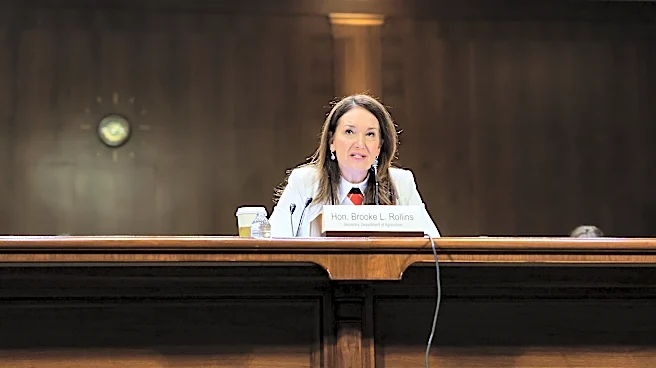
U.S. Secretary of Agriculture Brooke Rollins has announced that the U.S. Department of Agriculture (USDA) plans to hire 228 new personnel for a New World Screwworm sterile fly production facility in Edinburg, Texas. This initiative is a critical step
in protecting U.S. livestock and wildlife from the devastating pest, the New World screwworm (NWS). According to Secretary Rollins, the new facility will significantly increase the availability of sterile flies, which are the most effective defense against these pests. The goal is to eradicate the screwworm from the country, with the facility expected to open nearly five years ahead of schedule. Undersecretary for Marketing and Regulatory Programs Dudley Hoskins emphasized the importance of these skilled professionals in defending the nation's agricultural industry against invasive pests and diseases. The hiring event aims to attract individuals who may not have previously considered government work to join this mission.
Why It's Important?
The hiring of 228 new positions and the expedited opening of the sterile fly production facility are crucial for national security and the U.S. agricultural sector. The New World screwworm poses a severe threat to livestock, pets, wildlife, and, in rare cases, humans, as its larvae burrow into living animals, causing significant damage and often death. By bolstering the production of sterile flies, the USDA aims to create a robust barrier against the pest, preventing potential outbreaks that could devastate the livestock industry and impact the broader economy. This proactive measure safeguards animal health and welfare, ensures food security, and protects the livelihoods of farmers and ranchers. The initiative also highlights the government's commitment to rapid response and investment in biosecurity infrastructure to mitigate agricultural threats.
What's Next?
The immediate next step involves the USDA actively recruiting and hiring for the 228 new positions at the Edinburg, Texas facility. This hiring event will be critical in staffing the facility with the necessary personnel to begin operations. Once operational, the facility will focus on mass-producing sterile New World screwworm flies, which will then be released into affected or at-risk areas. The goal is to disrupt the screwworm's reproductive cycle, leading to its eradication. The USDA will likely monitor the effectiveness of the sterile fly release program and adjust strategies as needed. Continued collaboration with state and local agricultural agencies will be essential to ensure a coordinated and effective response to any potential screwworm incursions.
Beyond the Headlines
This initiative underscores the ongoing biological threats faced by the U.S. agricultural system and the innovative scientific approaches employed to counter them. The sterile insect technique (SIT), which involves releasing sterilized male insects to reduce wild populations, is a sophisticated and environmentally friendly method of pest control. Its application here demonstrates a commitment to sustainable agricultural practices that minimize reliance on chemical pesticides. Furthermore, the rapid deployment of this facility highlights the government's capacity to mobilize resources quickly in response to perceived threats to national biosecurity. This effort could also serve as a model for addressing other invasive species that pose risks to agriculture and ecosystems, showcasing the importance of scientific research and technological advancement in protecting vital national resources.