


What's Happening?
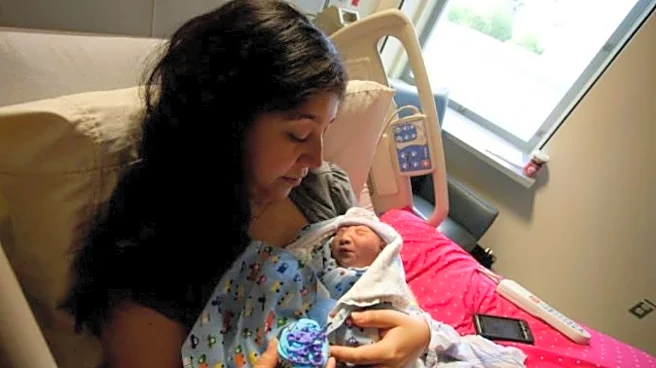
Doula care, once considered a luxury, is becoming more mainstream in the United States as Medicaid and private insurers increasingly cover these services. Doulas provide physical and emotional support before, during, and after childbirth, and their services are now
reimbursed by Medicaid in over 30 states, up from 14 in late 2022. This shift is driven by research showing that doulas can significantly improve maternal and infant health outcomes, particularly for underserved communities. The growing acceptance of doulas by the medical establishment is helping to reduce maternal mortality rates, especially among Black mothers, who face higher risks during childbirth.
Why It's Important?
The expansion of doula care coverage represents a significant step towards addressing health disparities in maternal care. By providing support to mothers from diverse economic backgrounds, doulas help improve health outcomes and reduce the risk of complications during childbirth. This is particularly important for Black mothers, who experience maternal mortality at rates more than three times higher than white women. The integration of doulas into the healthcare system offers a cost-effective way to enhance maternal care and support, potentially leading to better health outcomes for mothers and babies across the country.
What's Next?
As more states and private insurers adopt doula coverage, the role of doulas in maternal care is likely to expand further. This could lead to increased demand for doula services and the development of standardized training and certification programs. The continued integration of doulas into the healthcare system may also foster stronger collaborations between doulas, doctors, and nurses, enhancing the overall quality of maternal care. As awareness of the benefits of doula care grows, more families may choose to utilize these services, contributing to improved maternal and infant health outcomes nationwide.