


What's Happening?
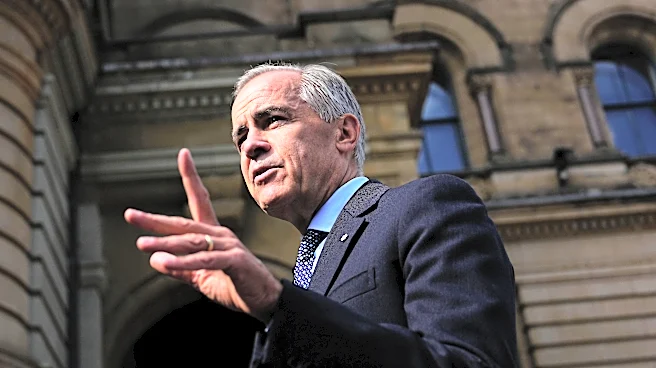
Kevin Hassett, Director of the White House National Economic Council, held between $1 million and $5 million in Coinbase shares at the end of 2025, according to his previously unreported 2025 annual financial disclosure. This occurred as the Trump administration
actively reshaped federal cryptocurrency policy. Hassett, who advised Coinbase from 2021 until January 2025 before joining the White House, stated he recused himself from crypto matters and received ethics guidance. However, ethics experts, including Virginia Canter of Democracy Defenders Fund, question the extent and practical implications of such a recusal, especially given crypto's prominence as a major initiative within the Trump administration and the NEC's role in coordinating economic policy across various agencies. The crypto working group's final report listed Robin Colwell, a deputy assistant to the president for national economic policy, as the NEC representative instead of Hassett.
Why It's Important?
This situation raises significant questions about potential conflicts of interest and ethical conduct within the highest levels of the U.S. government. The Director of the National Economic Council holding a substantial stake in a major cryptocurrency company while the administration actively develops and implements crypto policy creates an appearance of conflict, regardless of stated recusals. This could undermine public trust in the impartiality of policy-making, particularly in a rapidly evolving and highly speculative sector like cryptocurrency. The challenge of a broad recusal for a senior official in a key policy area highlights the difficulty in managing such conflicts, potentially sidelining a top economic advisor from crucial discussions and decisions within their purview. This also brings into focus the broader issue of financial disclosures and the effectiveness of ethics guidelines for government officials with significant private sector ties.
What's Next?
The White House has stated that Hassett remains in full compliance with ethical requirements and continues his recusal from all cryptocurrency-related matters. However, the disclosure is for 2025, and it is unclear if Hassett still holds the shares. Further scrutiny from ethics watchdogs and the media is likely to continue regarding the specifics of Hassett's recusal and its impact on his official duties. This event may also prompt broader discussions about the adequacy of current ethics regulations for government officials, especially concerning investments in industries directly affected by their policy decisions. The ongoing push for regulatory clarity in the crypto space, as advocated by Coinbase CEO Brian Armstrong and supported by the administration, will continue to be a key area of focus, with potential legislative actions like the Clarity Act on the horizon.
Beyond the Headlines
Beyond the immediate ethical concerns, this situation reflects the increasing intersection of emerging technologies, personal wealth, and government policy. As industries like cryptocurrency grow, the potential for conflicts of interest among public servants with prior or ongoing financial ties to these sectors will become more prevalent. This case could serve as a precedent for examining how high-ranking officials manage investments in industries they regulate or influence. It also highlights the inherent tension between attracting experienced private sector talent to government roles and ensuring absolute impartiality in public service. The public's perception of fairness and integrity in government could be significantly impacted by how such conflicts are managed and communicated.