








What's Happening?
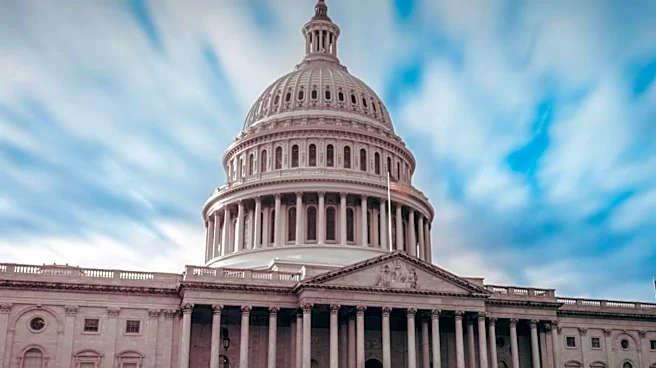
The U.S. Senate is scheduled for a crucial vote on the Clarity Act, a bill designed to establish a new regulatory framework for cryptocurrencies and other digital assets. This vote comes after months of the bill languishing in the Senate, despite clearing
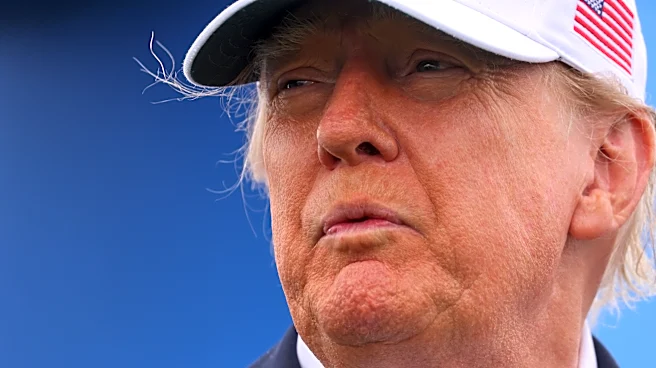
the Senate Banking Committee in May. The legislation requires 60 votes to pass, meaning at least seven Democrats would need to support it to overcome a filibuster. Intense last-minute lobbying efforts are underway from both banks and the cryptocurrency industry. A key development is President Trump's agreement to new ethics provisions within the bill, including a requirement for federal officials and their spouses to divest or place significant financial interests in digital assets into a blind trust. Additionally, the updated bill includes a provision allowing state attorneys general to enforce these ethics rules, a critical demand from Democrats. The White House has emphasized the importance of passing the Clarity Act to maintain U.S. leadership in innovation, while some Democrats, like Senator Chris Van Hollen, express concerns that the bill does not adequately protect consumers.
Why It's Important?
The Clarity Act represents a significant attempt to bring regulatory clarity to the rapidly expanding U.S. cryptocurrency market, which is currently valued at $2.3 trillion. The lack of a clear regulatory framework has been a major impediment to institutional adoption and broader market stability. If passed, the bill could reshape the regulatory landscape for token issuers, exchanges, developers, and financial intermediaries, potentially fostering greater investor protection and market integrity. The inclusion of ethics provisions, particularly those affecting President Trump's crypto-related business interests, highlights the political complexities and concerns about potential conflicts of interest at the highest levels of government. The debate also underscores the tension between promoting innovation in digital assets and ensuring robust consumer protection and financial stability. The outcome of this vote could influence future legislative efforts and the direction of the U.S. digital asset economy, impacting how traditional financial institutions interact with the crypto space and potentially attracting more mainstream investment.
What's Next?
The immediate next step is the Senate's procedural vote on the Clarity Act. If the bill secures the necessary 60 votes, it will advance, allowing for further amendments and a final passage vote. However, if it fails, its future in the current legislative calendar becomes uncertain, though supporters suggest it could be brought back in an amended form. The White House has hinted at further concessions on ethics language and other issues if the preliminary vote passes, which could incentivize some Democrats to support its advancement. Regardless of the vote's outcome, the cryptocurrency industry anticipates some form of regulation, with Coinbase CEO Brian Armstrong noting that if the Clarity Act doesn't pass, the SEC and CFTC are prepared to issue their own rulemakings. The ongoing discussions also involve addressing concerns from banks regarding stablecoin rewards and potential deposit flight, with a 'circuit breaker' mechanism proposed to mitigate such risks. The ultimate goal is to balance innovation with investor protection and banking stability.
Beyond the Headlines
The Clarity Act's journey through Congress reveals deeper implications beyond immediate regulatory concerns. The intense focus on ethics provisions, particularly those targeting President Trump's financial interests in crypto, highlights a growing demand for transparency and accountability from public officials in emerging financial sectors. This debate could set a precedent for how future administrations and lawmakers are expected to manage personal investments in rapidly evolving and potentially lucrative industries. Furthermore, the bill's struggle to gain bipartisan support, despite its stated goals of fostering innovation and protecting consumers, underscores the persistent ideological divides in Washington regarding the role of government in regulating new technologies. The outcome will not only impact the crypto market but also reflect on the ability of the U.S. political system to adapt to technological disruption and establish clear, equitable rules for a digital economy. The involvement of state attorneys general in enforcement mechanisms also points to a potential shift in regulatory power dynamics, allowing for more localized oversight in addition to federal agencies.