







What's Happening?
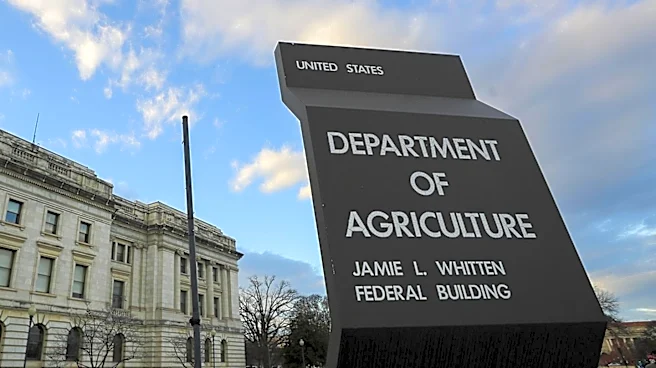
The American Farm Bureau Federation (AFBF) is advocating for the Securing Agriculture Workforce Act, a legislative effort aimed at addressing the ongoing labor shortages in the agricultural sector. John Walt Boatright from the AFBF highlighted the critical
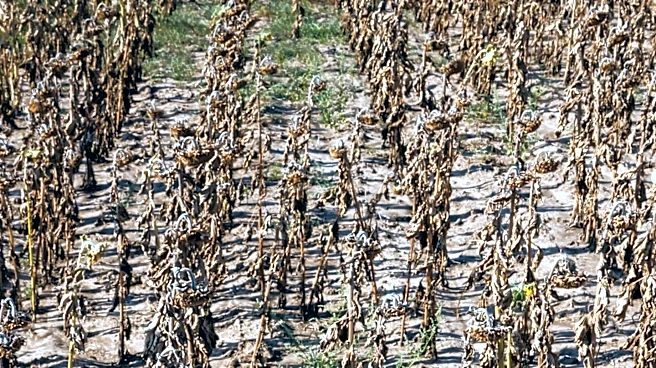
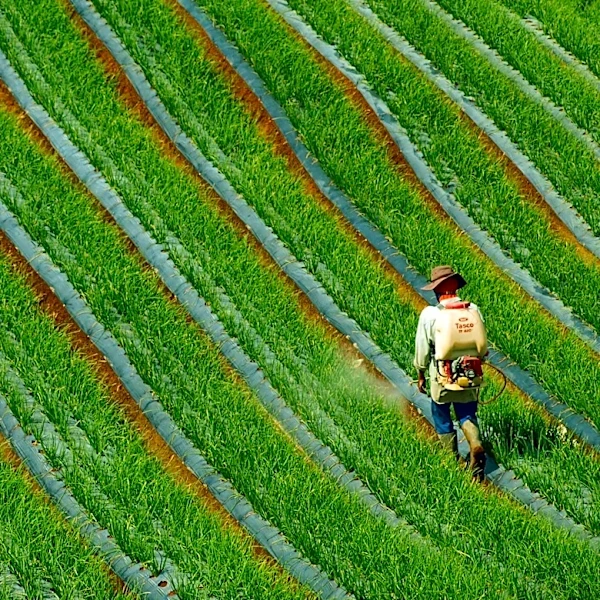
need for reform, noting that it has been 40 years without significant legislative progress in this area. The proposed act, supported by U.S. House Agriculture Committee Chair Glenn 'GT' Thompson, seeks to reform the H-2A guest worker program to provide stable and legal labor for farmers. AFBF President Zippy Duvall emphasized that labor shortages are a major issue for farmers, affecting their ability to maintain operations. The lack of reliable labor has led to significant financial losses, as illustrated by Arizona Farm Bureau President John Boelts, who reported losing nearly $500,000 in cantaloupes due to delays in obtaining H-2A workers.
Why It's Important?
The labor shortages in agriculture have far-reaching implications for the U.S. economy and food supply chain. The inability to secure a stable workforce threatens the competitiveness of American farmers and could lead to increased food prices and reduced agricultural output. The Securing Agriculture Workforce Act aims to provide a legal framework for obtaining necessary labor, which is crucial for sustaining agricultural productivity and supporting rural economies. The reform of the H-2A program is particularly significant for sectors like dairy, which have struggled to access legal labor. By addressing these labor issues, the legislation could help stabilize the agricultural workforce, ensuring that farms can operate efficiently and meet consumer demand.
What's Next?
Discussions with the U.S. Judiciary Committee are ongoing to advance the Securing Agriculture Workforce Act. If passed, the legislation could lead to significant changes in how agricultural labor is sourced and managed in the U.S. Stakeholders, including agricultural associations and business groups, are likely to continue advocating for the bill, emphasizing its importance for the agricultural sector. The outcome of these discussions will be closely watched by farmers and industry leaders, as it could set a precedent for future labor reforms in agriculture.