








What's Happening?
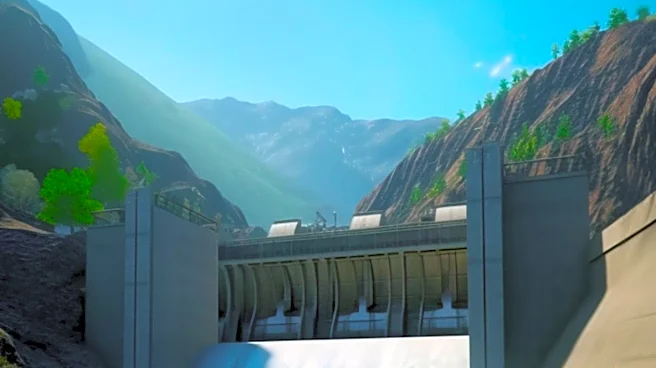
The Federal Energy Regulatory Commission (FERC) has approved measures to expedite environmental reviews for hydropower projects by introducing new 'categorical exclusions' from the National Environmental Policy Act (NEPA) reviews. These exclusions apply
to projects with minor environmental impacts, such as terminations or revocations of hydropower licenses that involve minimal ground-disturbing activities. FERC Chairman Laura Swett emphasized the need to balance efficiency with environmental standards, stating that the actions are practical solutions to streamline hydropower environmental review processes. The commission's decision aims to accelerate approvals while maintaining environmental obligations.
Why It's Important?
The decision by FERC to streamline environmental reviews is significant for the U.S. energy sector, particularly in the context of hydropower development. By reducing the regulatory burden, the commission aims to facilitate faster project approvals, which could lead to increased investment in hydropower infrastructure. This move is likely to benefit energy companies by reducing costs and time associated with compliance. However, it has raised concerns among environmental groups, such as The Nature Conservancy, which argue that it could lead to inadequate evaluation of environmental risks and public safety. The decision may also impact state-level disputes over hydropower projects, as seen in Michigan's opposition to the FERC action.
What's Next?
The implementation of these new exclusions may face legal challenges from environmental groups and state agencies concerned about the potential environmental consequences. The Nature Conservancy and Michigan's Department of Natural Resources have already expressed opposition, suggesting that the matter could be contested in court. Additionally, FERC's decision may prompt further discussions on balancing environmental protection with the need for efficient energy project approvals. Stakeholders, including energy companies and environmental advocates, will likely continue to engage in dialogue to address these concerns.