






What's Happening?
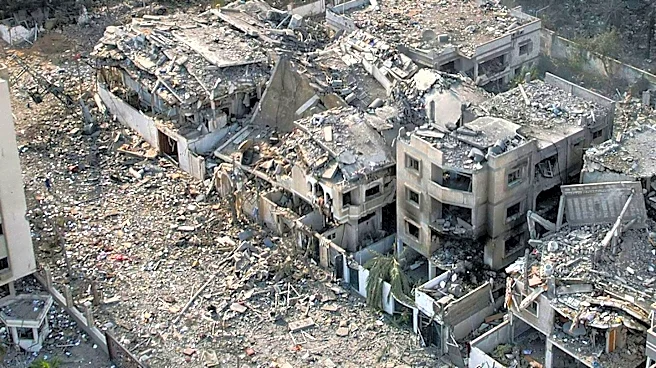
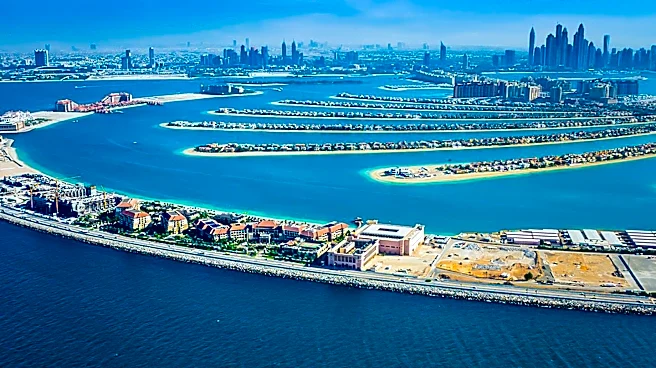
The ongoing conflict involving Iran has highlighted the vulnerabilities of Gulf states, particularly through their critical infrastructure such as water, cloud services, and undersea cables. Recent events have seen Iran employing unconventional tactics,
including GPS spoofing and cyberattacks, to disrupt essential services. These actions have affected banking systems, desalination plants, and data centers, demonstrating the interconnected nature of modern infrastructure. The Gulf states, reliant on stability for their economic prosperity, face challenges in building resilience against such multi-layered threats.
Why It's Important?
The conflict underscores the need for Gulf states to enhance their resilience against a range of threats that go beyond traditional military confrontations. The interconnectedness of infrastructure means that disruptions in one area can have cascading effects on others, impacting economic stability and national security. The Gulf's reliance on foreign labor and capital further complicates its vulnerability, as adversaries can exploit these dependencies. Building a comprehensive resilience strategy is crucial for maintaining the region's economic and political stability, especially given its strategic importance in global energy markets.
What's Next?
Gulf states are likely to focus on developing integrated resilience strategies that address the multifaceted nature of modern threats. This may involve enhancing cybersecurity measures, securing critical infrastructure, and fostering regional cooperation to mitigate risks. The development of a 'Sovereign Resilience Web' could provide a framework for Gulf states to coordinate their efforts and protect their infrastructure. As the conflict with Iran continues, the Gulf states will need to balance their security needs with maintaining economic growth and stability.