






What's Happening?
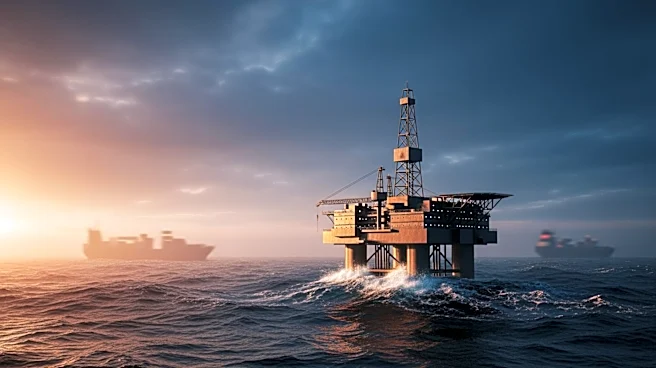
The global energy markets are undergoing significant changes due to the ongoing Strait of Hormuz crisis, which has disrupted approximately 20% of the world's seaborne oil and LNG flows. This crisis, triggered by the U.S.-Israel conflict with Iran, has led
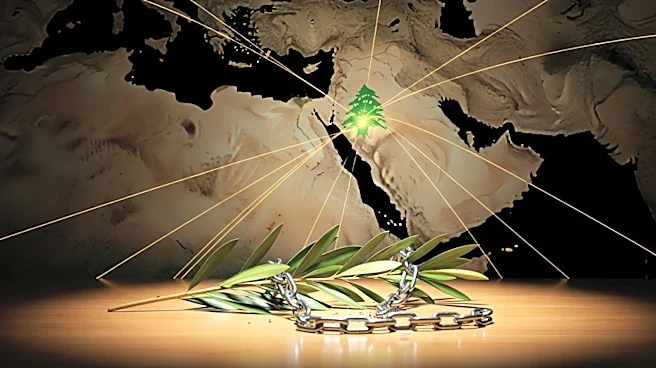
to a historic supply shock, with oil prices spiking above $100 per barrel. The disruption has prompted a reevaluation of energy trading routes and strategies, with a shift towards pipeline bypasses and diversified suppliers. Key players like the UAE and Saudi Arabia are accelerating pipeline projects to reduce reliance on the Strait of Hormuz, while countries are expanding strategic reserves to mitigate future disruptions.
Why It's Important?
The crisis highlights the fragility of global energy supply chains and the need for more resilient infrastructure. The shift towards pipeline bypasses and diversified suppliers could lead to a more stable energy market, reducing the risk of future disruptions. This structural change is significant for global energy security and could influence geopolitical alignments, as countries seek to secure reliable energy sources. The increased focus on strategic reserves and long-term contracts may also impact global energy prices and trading patterns, with potential implications for economic stability and growth.
What's Next?
As the crisis continues, countries are likely to accelerate efforts to build and expand strategic reserves, while exploring new energy trading routes. The development of pipeline infrastructure and diversification of suppliers will be crucial in shaping the future of global energy markets. Additionally, the crisis may prompt further geopolitical shifts, as countries align with different energy suppliers. The long-term impact on energy prices and market stability will depend on the resolution of the crisis and the effectiveness of these structural changes.