






What's Happening?
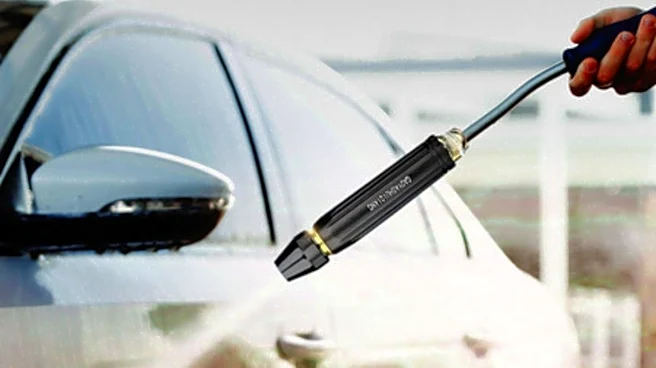
The city of Portland has an ordinance that prohibits stopping, standing, or parking a vehicle on a street primarily for the purpose of washing, greasing, or repairing it. This regulation, which has been in effect since at least January 1997, carries a $25
parking fine for violations. An exception is made for emergency repairs that necessitate immediate attention on the street. The ordinance also extends to other activities, such as using street parking for advertising, displaying a vehicle for sale, or storing a vehicle for more than 10 consecutive days. It is important to note that the rule applies when these activities are the main reason for parking; incidental cleaning or maintenance performed on an already parked vehicle is not prohibited. Similar restrictions are also in place in other Maine cities, including Biddeford, Lewiston, Rockland, and South Portland, generally with the same emergency repair exception.
Why It's Important?
This ordinance is important for maintaining public order, ensuring traffic flow, and preserving the aesthetic and environmental quality of Portland's streets. By restricting activities like vehicle washing and extensive repairs, the city aims to prevent potential hazards, reduce street congestion, and minimize the discharge of pollutants into storm drains. The regulation also addresses the issue of vehicles being used for commercial purposes or long-term storage on public thoroughfares, which can detract from neighborhood appearance and limit available parking for residents and visitors. The consistency of similar regulations across multiple Maine cities suggests a regional understanding of the need to manage public street usage effectively, reflecting a broader concern for urban planning and community standards.
What's Next?
Residents and visitors in Portland, as well as in Biddeford, Lewiston, Rockland, and South Portland, should be aware of these parking regulations to avoid fines. The city will continue to enforce this ordinance as part of its broader traffic and motor vehicle codes. There are no immediate indications of changes to this long-standing rule, suggesting that the current enforcement practices will remain in place. Individuals requiring vehicle maintenance or cleaning that falls under the prohibited activities will need to utilize private property, designated service areas, or commercial facilities to comply with the ordinance. The ongoing enforcement of such rules contributes to the overall management of urban infrastructure and public spaces.
Beyond the Headlines
Beyond the immediate practical implications of avoiding a fine, this ordinance reflects a municipal philosophy regarding the use of public space. It underscores the idea that public streets are primarily for transit and short-term parking, not for private commercial or maintenance activities that could impede public access or create nuisances. The rule implicitly balances individual convenience with collective well-being, prioritizing the common good of accessible and orderly public thoroughfares. This type of regulation is a common feature in urban environments, illustrating how local governments manage the competing demands on limited public resources and maintain a certain quality of life for their residents. It also highlights the subtle ways in which city codes shape daily behaviors and interactions within a community.