
What's Happening?
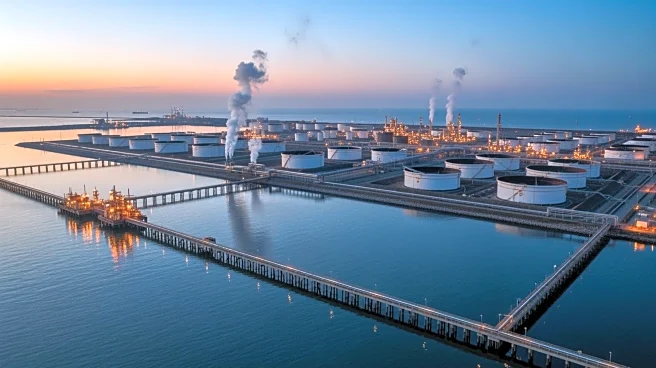
An Irish metals refinery, Aughinish Alumina, has been identified as part of an international supply chain that ends with shipments to Russian arms producers, according to leaked records and public data. Located on the Shannon estuary in Ireland and owned
by the Russian aluminium group Rusal since 2006, Aughinish Alumina has seen a significant increase in shipments to Russian smelters since the invasion of Ukraine in 2022. In 2024, Ireland exported $376 million worth of alumina to Russia, a 55% increase from 2022. The alumina is used in the production of aluminium, which has military applications. Despite the increase in trade, these activities do not appear to breach existing sanctions laws. However, the situation raises questions about the effectiveness of the EU's sanctions regime in preventing Russian arms manufacturers from accessing European raw materials.
Why It's Important?
The involvement of Aughinish Alumina in the supply chain for Russian arms manufacturers highlights potential gaps in the EU's sanctions framework. This situation underscores the challenges in tracing the end-use of commodities like alumina, which can be legally traded but ultimately used for military purposes. The refinery's operations are significant for the local economy, employing around 900 people and supplying a substantial portion of the EU's alumina needs. However, the connection to Russian arms production could lead to increased scrutiny and pressure on the EU to tighten sanctions. This development also raises ethical concerns about the indirect support of military activities through legal trade channels, potentially impacting Ireland's international standing and its commitment to supporting Ukraine.
What's Next?
The revelations about Aughinish Alumina's role in the supply chain may prompt further investigations by EU authorities into the effectiveness of current sanctions and the need for stricter controls on the trade of dual-use commodities. There could be calls for the EU to reassess its sanctions list and consider adding alumina or related products. Additionally, the Irish government may face pressure to ensure that its industries are not inadvertently supporting military activities in conflict zones. The situation could also lead to increased dialogue within the EU about balancing economic interests with ethical responsibilities in international trade.
Beyond the Headlines
The case of Aughinish Alumina illustrates the complexities of global supply chains and the difficulties in enforcing sanctions in a way that effectively targets military end-users without harming legitimate civilian industries. It highlights the need for more robust mechanisms to trace the end-use of commodities and ensure compliance with international regulations. This situation also reflects broader geopolitical tensions and the challenges faced by countries like Ireland in navigating their economic relationships with major powers like Russia while adhering to international norms and supporting allies like Ukraine.