






What's Happening?
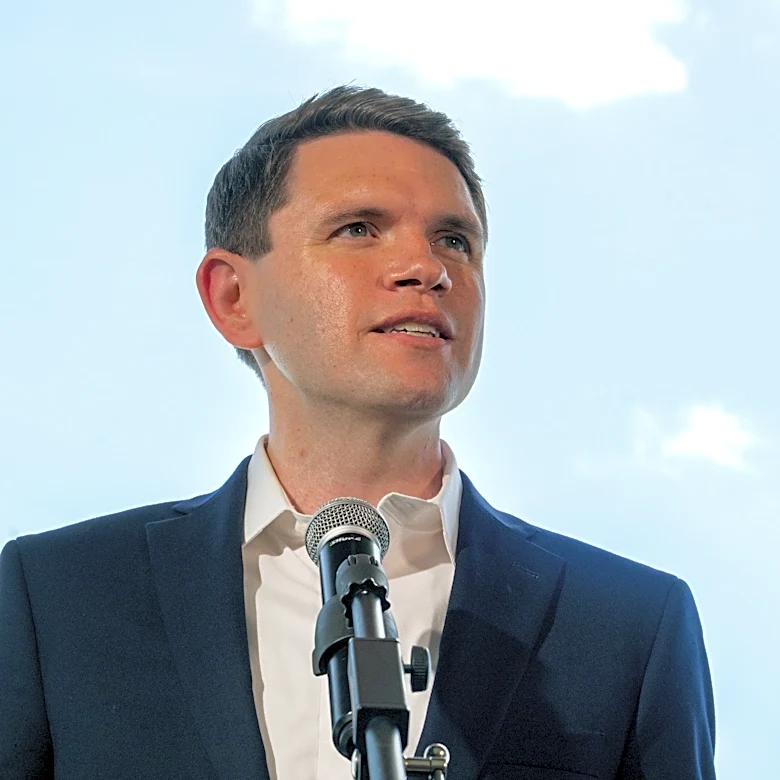
Michele Tafoya, a well-known figure from her career as a sports broadcaster and radio host, has successfully secured the Republican nomination for the U.S. Senate in Minnesota. This primary victory has generated a significant wave of optimism among Minnesota Republicans,
who are now keenly focused on achieving their first statewide election win in nearly two decades, with the last one occurring in 2006. Tafoya is now poised to challenge Lt. Gov. Peggy Flanagan, the Democratic nominee, in the highly anticipated November general election. Throughout her primary campaign, Tafoya has consistently highlighted what she describes as the state's "fraud crisis," directly criticizing Flanagan for what she perceives as a lack of accountability. She has also taken steps to clarify previous public statements, including one concerning the treatment of children by ICE, where she emphasized her knowledge of a specific instance involving humane treatment. Despite her primary success, Tafoya's vote tally of 211,000 was considerably lower than the 411,000 votes garnered by Flanagan in their respective primary contests, indicating a substantial electoral challenge that lies ahead for the Republican candidate in the general election.
Why It's Important?
Michele Tafoya's nomination for the U.S. Senate in Minnesota marks a pivotal and potentially transformative moment for the state's Republican Party, which has endured a prolonged period without securing a statewide electoral victory. Her background as a prominent media personality brings a unique and high level of public recognition to the race, offering the potential to attract and engage a broader spectrum of voters beyond the traditional Republican base. The outcome of this election will not only determine Minnesota's representation in the U.S. Senate but will also serve as a crucial barometer for the Republican Party's ability to regain significant competitiveness in states that have historically demonstrated a strong Democratic lean. Tafoya's campaign strategy, which includes a pointed focus on the state's alleged fraud crisis and her relatively moderate stance on abortion rights for a Republican (supporting abortions through a woman's first trimester), could potentially broaden her appeal to swing voters. However, this approach also carries the inherent risk of alienating some segments of the more conservative Republican base. This contest is therefore shaping up to be a significant test of whether a candidate with a non-traditional political background can effectively challenge established political figures and overcome entrenched party affiliations in a closely watched statewide race.
What's Next?
Following her primary victory, Michele Tafoya is expected to significantly intensify her general election campaign efforts as she prepares to face Lt. Gov. Peggy Flanagan. The campaign trail will likely feature a series of high-profile debates and numerous public appearances where both candidates will meticulously articulate their policy platforms and draw clear, compelling distinctions between their respective visions for the future of Minnesota. Tafoya's immediate and most critical challenge will be to substantially increase voter turnout among Republican supporters and to effectively persuade independent and undecided voters to bridge the considerable vote gap observed in the primary results. Fundraising will also emerge as an absolutely critical component of her campaign, as both sides will require significant financial resources for extensive advertising campaigns, robust voter outreach initiatives, and comprehensive ground operations. The election is anticipated to attract considerable national attention from political analysts and media outlets, with strategists closely scrutinizing the results for insights into broader electoral trends and the effectiveness of various campaign approaches in competitive states. The ability of Tafoya to successfully mobilize a diverse coalition of voters will be paramount to the Republican Party's aspirations for securing a statewide victory in Minnesota.
Beyond the Headlines
Michele Tafoya's emergence as a Republican Senate nominee, particularly given her nuanced position on abortion rights (supporting abortions through a woman's first trimester), presents a compelling challenge to conventional perceptions of the Republican Party's platform and typical candidate profiles. This could potentially signal an evolving and more flexible strategy within the GOP to broaden its appeal in states where a strictly conservative platform has historically faced electoral difficulties. Her transition from a successful career in sports broadcasting to high-stakes electoral politics also underscores a growing national trend of public figures leveraging their established platforms to enter the political arena. This phenomenon brings both distinct advantages, such as immediate name recognition and a pre-existing public following, and potential disadvantages, including heightened scrutiny of past public statements and a possible perceived lack of traditional political experience. Furthermore, her public statement that President Trump should not run again in 2024, despite her opponent's attempt to label her as a "yes-sir" senator for him, adds another layer of complexity, showcasing internal party nuances and a degree of candidate independence. This election could therefore serve as a fascinating case study in how celebrity status, policy flexibility, and party loyalty intersect and influence outcomes in contemporary American politics.