



What's Happening?
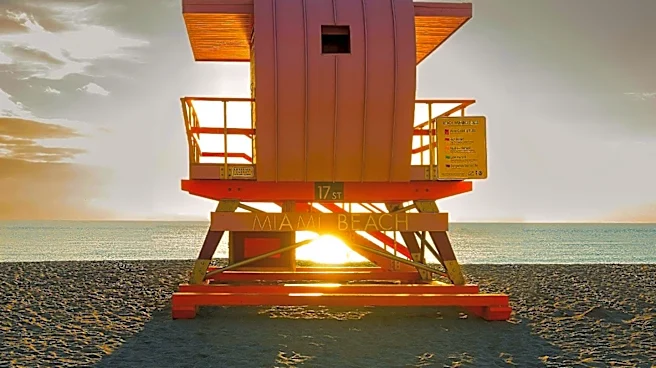
Lake Macquarie City Council in Australia has become the first council in the country to equip its beach lifeguards with electronic smart tourniquets, specifically the TAK710 model. These devices, originally developed by the Israeli military and used by various
defense and emergency services, are designed to quickly and effectively stem severe blood loss. Starting this summer season, lifeguards at Redhead, Blacksmiths, Caves Beach, and Catherine Hill Bay will utilize these advanced tourniquets. The TAK710 can be applied with one hand within 10 seconds and automatically adjusts to the patient's blood pressure. Dr. Adrian Cohen, a trauma injury specialist, provided training to the lifeguards, emphasizing the device's simplicity and effectiveness in high-stress, life-threatening situations, such as shark attacks or other major bleeds on the extremities. Unlike traditional tourniquets, the smart version also records vital information for medical staff, including how long it has been applied, which is crucial for patient care and limb viability.
Why It's Important?
The adoption of military-grade smart tourniquets by Lake Macquarie Council represents a significant advancement in beach safety and emergency medical response. This initiative could set a new standard for lifeguard equipment, potentially influencing other coastal communities in the U.S. and globally to upgrade their emergency protocols. The ability to rapidly control severe bleeding is critical in trauma situations, and the TAK710's ease of use and automated features reduce the cognitive load on first responders, allowing for more efficient and effective intervention. This technology could drastically improve survival rates and reduce long-term injuries from incidents like shark attacks, severe lacerations from falls, or other accidents on beaches. The data recording capability also provides invaluable information for subsequent medical treatment, optimizing patient outcomes. For U.S. coastal regions, where similar risks exist, this development highlights a potential pathway to enhance public safety and emergency preparedness.
What's Next?
Following the successful implementation in Lake Macquarie, other Australian councils and potentially international coastal authorities, including those in the U.S., may evaluate the effectiveness and feasibility of integrating similar smart tourniquet technology into their emergency response kits. The upcoming summer season will serve as a crucial test period for the TAK710's performance in real-world beach emergencies. Lifeguard teams will continue their training, and data on the device's usage and impact on patient outcomes will likely be collected. This could lead to broader discussions within emergency medical services and public safety organizations about standardizing advanced bleeding control tools. Manufacturers of such devices may see increased demand and further innovation in this sector, driven by the demonstrated success and the critical need for rapid, effective trauma care in diverse environments.
Beyond the Headlines
The deployment of smart tourniquets on beaches underscores a broader trend of integrating advanced military and medical technologies into civilian emergency services. This move reflects a growing recognition that civilian first responders, particularly in high-risk environments like beaches, require tools that offer precision, speed, and data collection capabilities comparable to those used in combat medicine. Ethically, the use of such powerful devices raises questions about training standards, potential misuse, and the balance between saving lives and potential complications if not applied correctly, although the TAK710's design aims to mitigate these risks. Culturally, it may shift public perception of lifeguards from primarily water safety personnel to highly trained medical first responders equipped with sophisticated life-saving technology. This could also spur innovation in other areas of civilian emergency response, pushing for more intelligent, data-driven solutions to common public safety challenges.