

What's Happening?
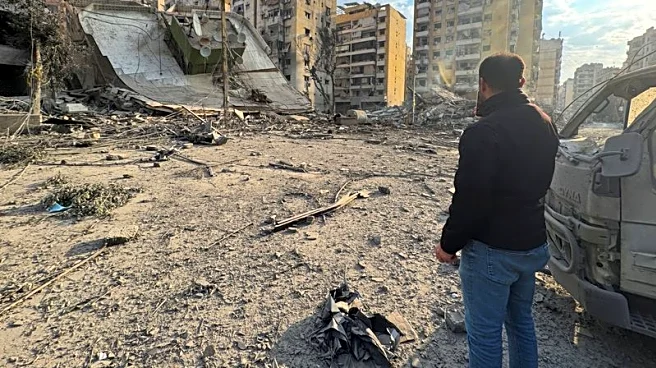
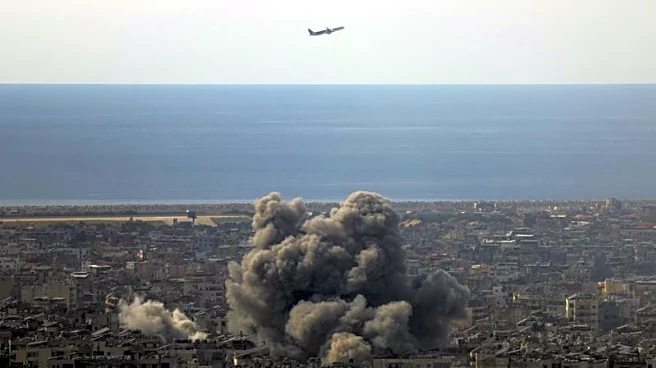
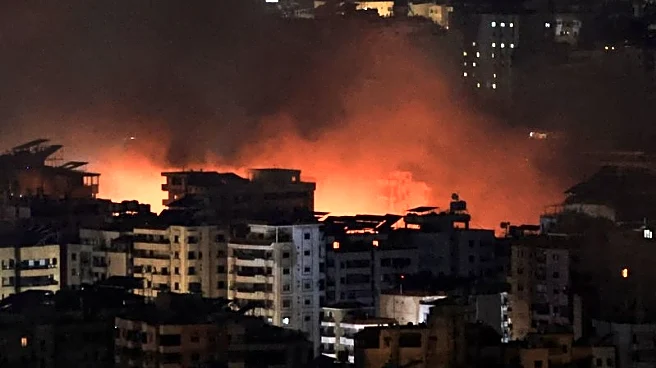
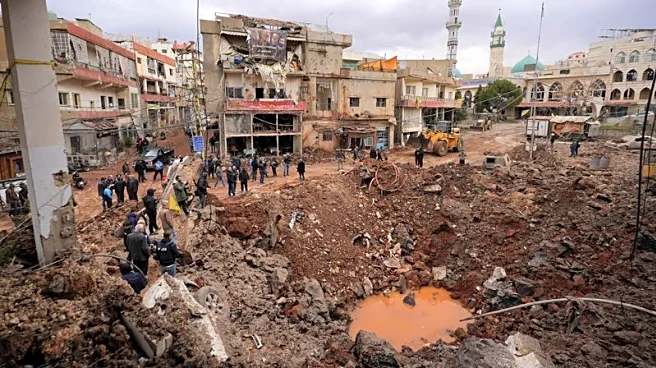
Human Rights Watch has reported that the Israeli military unlawfully used white phosphorus in the southern Lebanese village of Yohmor. The organization claims that Israel fired artillery shells containing the incendiary substance at residential areas,
despite prior warnings for evacuation. White phosphorus is controversial due to its potential to cause severe burns and set buildings on fire. The Israeli military has not commented on these allegations but has previously stated that it uses white phosphorus as a smoke screen rather than to target civilians. Human Rights Watch and Amnesty International have noted that similar munitions were used in past conflicts with Hezbollah in southern Lebanon.
Why It's Important?
The use of white phosphorus in populated areas is considered illegal under international law due to its harmful effects on civilians and infrastructure. This accusation against the Israeli military could have significant implications for international relations and human rights advocacy. It highlights ongoing tensions in the Middle East and raises questions about the conduct of military operations in conflict zones. The situation underscores the need for accountability and adherence to international humanitarian laws, potentially affecting diplomatic relations and international perceptions of military practices.
What's Next?
The Israeli military's response to these allegations will be closely watched by international observers and human rights organizations. Potential investigations or international pressure could lead to changes in military tactics or policy. The situation may also influence future diplomatic engagements between Israel and other nations, particularly those concerned with human rights and international law. Continued monitoring by organizations like Human Rights Watch will likely persist, aiming to ensure compliance with international standards.