


What's Happening?
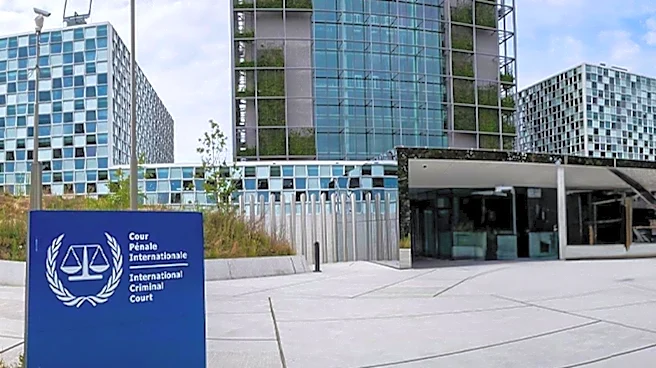
Four human rights organizations in the United States have filed a lawsuit against President Trump's administration, challenging the legality of sanctions imposed on the International Criminal Court (ICC). The American Friends Service Committee, the Center
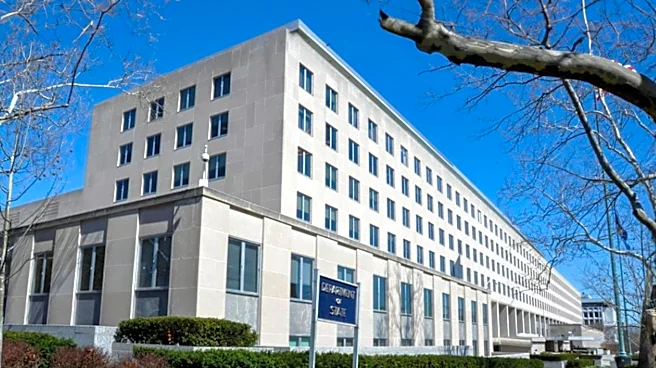
for Constitutional Rights, Human Rights Watch, and the Open Society Institute initiated the legal action in the Southern District of New York. The lawsuit claims that President Trump exceeded his authority by signing an executive order in February 2025, which authorized sanctions against ICC personnel and any foreign nationals or groups supporting the court's work. These sanctions were a response to the ICC's arrest warrants issued in late 2024 for Israeli Prime Minister Benjamin Netanyahu and former defense minister Yoav Gallant, accused of crimes against humanity and war crimes in Gaza. The U.S. government has criticized these warrants as baseless and has opposed the ICC's investigations into U.S. personnel in Afghanistan. The plaintiffs argue that the sanctions have hindered their human rights and legal work, violating constitutional rights such as free speech.
Why It's Important?
This legal challenge highlights the ongoing tension between the U.S. and international judicial bodies like the ICC. The sanctions imposed by the Trump administration are seen as a significant move to protect U.S. sovereignty and its allies from what it perceives as illegitimate actions by the ICC. However, human rights groups argue that these sanctions undermine global efforts to uphold the rule of law and protect human rights. The lawsuit underscores the broader implications of U.S. foreign policy decisions on international justice and human rights advocacy. If successful, the lawsuit could set a precedent for how the U.S. engages with international legal institutions and could influence future administrations' approaches to international law and human rights.
What's Next?
The lawsuit will proceed in the Southern District of New York, where the court will determine the legality of the sanctions. The outcome could have significant implications for U.S. foreign policy and its relationship with international judicial bodies. Additionally, the case may prompt further legal challenges from other organizations affected by the sanctions. The U.S. government, under the Trump administration, has indicated its commitment to protecting national sovereignty, suggesting that it may continue to resist ICC actions perceived as overreaching. The legal proceedings will be closely watched by international human rights advocates and could influence future diplomatic and legal strategies.