
What's Happening?
An investigation has revealed that Iranian exports of jet fuel are supporting Myanmar's military junta in its ongoing civil war. The junta has been accused of targeting civilian areas, including schools
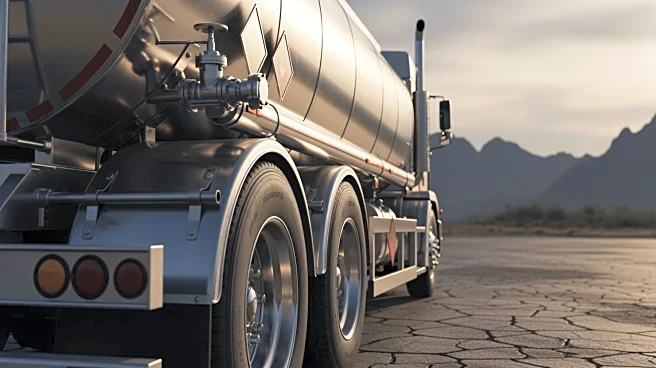
and hospitals, in its campaign against insurgents. The trade involves tankers like the Reef, which have been transporting jet fuel from Iran to Myanmar, often using deceptive practices to avoid detection. Both Iran and Myanmar are under international sanctions, and the fuel shipments highlight the complex network of trade that sustains the junta's military operations.
Why It's Important?
The revelation of Iranian support for Myanmar's military junta underscores the challenges of enforcing international sanctions and the global implications of such clandestine trade networks. This support enables the junta to continue its aggressive military campaign, exacerbating the humanitarian crisis in Myanmar. The situation raises questions about the effectiveness of current sanctions and the need for more robust international monitoring and enforcement mechanisms. It also highlights the geopolitical alliances that can undermine efforts to promote human rights and stability in conflict zones.
Beyond the Headlines
The involvement of Iranian fuel in Myanmar's civil war reflects broader geopolitical dynamics, where countries under sanctions collaborate to circumvent international restrictions. This situation could lead to increased scrutiny of maritime trade routes and the entities involved in such transactions. The ethical implications of supporting regimes accused of human rights violations are significant, prompting calls for more stringent global governance and accountability measures. The ongoing conflict in Myanmar, fueled by external support, may also influence regional stability and international diplomatic relations.