



What's Happening?
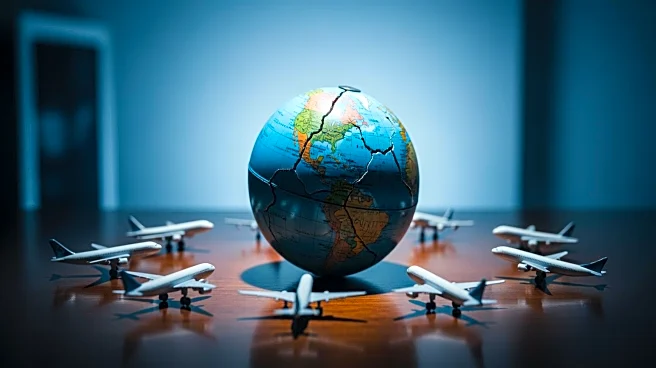
The recent U.S.-Israel attack on Iran has severely disrupted the global travel industry, valued at $11.7 trillion. The conflict has led to massive aviation and travel crises, with over 20,000 flights grounded and millions of travelers stranded worldwide.
The situation has also affected cruise ships and led to a surge in demand for 'cancel for any reason' travel insurance policies. The U.S. State Department has advised citizens in the region to leave immediately, organizing charter flights for repatriation. The conflict has caused significant disruptions in the Middle East, impacting major travel hubs like Dubai International Airport.
Why It's Important?
This conflict represents one of the most significant disruptions to the travel industry since 9/11, highlighting the vulnerability of global travel networks to geopolitical events. The impact extends beyond immediate travel disruptions, affecting airlines, cruise companies, and local economies reliant on tourism. The increased costs and logistical challenges could lead to higher prices for consumers and financial strain on travel-related businesses. The situation underscores the need for robust contingency planning and risk management strategies in the travel industry.
What's Next?
The travel industry will need to navigate the ongoing conflict and its repercussions, potentially adjusting routes, schedules, and pricing strategies. Airlines and cruise companies may seek government support or insurance solutions to mitigate financial losses. The situation could prompt a reevaluation of travel safety protocols and insurance offerings. Stakeholders will likely monitor geopolitical developments closely to anticipate further disruptions and adjust their operations accordingly.