
What's Happening?
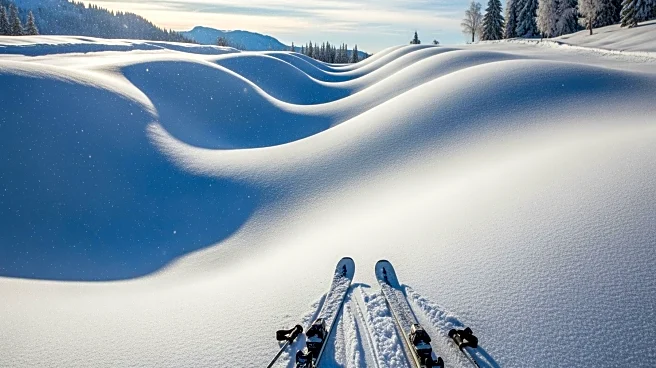
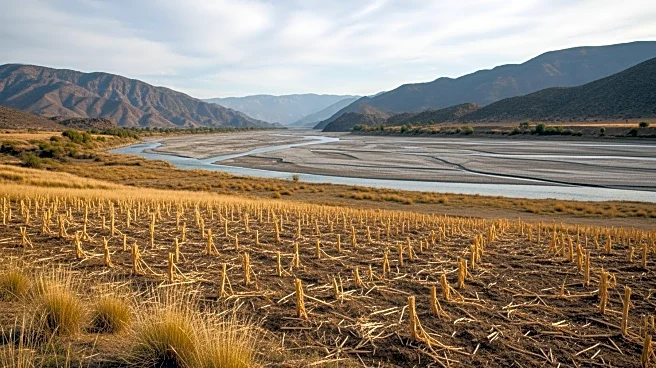
Colorado is experiencing a record-low snowpack this year, with the state facing one of its driest winters since 1987. The lack of snow is affecting various sectors, including skiing, agriculture, and water supply. Climatologists are monitoring data from
SNOTEL stations to assess the water supply outlook, as Colorado's snowmelt is crucial for water distribution to 19 downstream states. The warm winter has resulted in a snowpack that is significantly below average, impacting ski resorts and local economies. Vail Resorts reported a 20% decline in visitation due to poor snowfall. The low snowpack is also raising concerns about water availability for agriculture, with farmers like Jared Gardner and Dale Mauch adjusting their planting plans based on snowpack data and long-range weather forecasts.
Why It's Important?
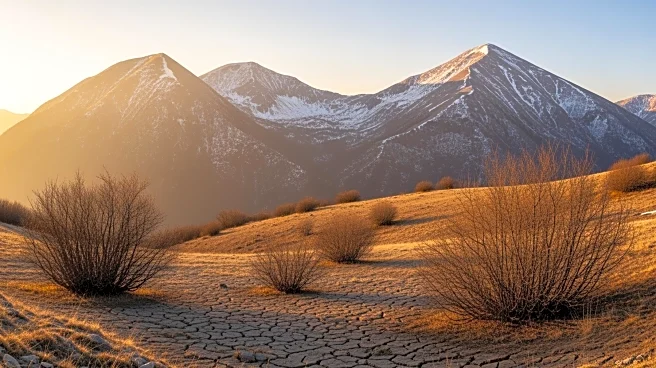
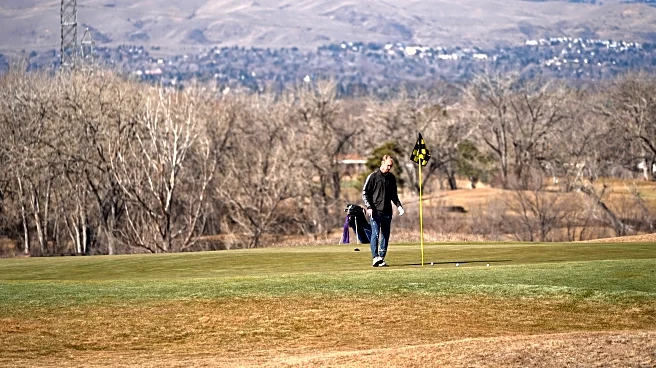
The low snowpack in Colorado has significant implications for water supply, agriculture, and the local economy. As a headwaters state, Colorado's snowmelt is vital for water distribution across the western United States. The current drought conditions could lead to water shortages, affecting agricultural production and prompting water restrictions in urban areas. The decline in ski resort visitation impacts local economies reliant on tourism. Additionally, the low snowpack increases the risk of wildfires, posing a threat to communities and ecosystems. The situation underscores the importance of water management and conservation efforts in the face of climate variability.
What's Next?
If the current drought persists, Colorado may face increased water restrictions and challenges in meeting agricultural water demands. Farmers are closely monitoring weather forecasts and may need to adjust crop choices and planting schedules. Water agencies are considering tapping into reservoir reserves to mitigate shortages. The state may also see an early start to the wildfire season, necessitating preparedness measures. Long-term, the situation highlights the need for sustainable water management strategies and adaptation to changing climate patterns.
Beyond the Headlines
The low snowpack could have ecological impacts, affecting wildlife and plant species that rely on snow for insulation and moisture. Species like pikas and native bees may face survival challenges due to insufficient snow cover. The situation also raises questions about the long-term sustainability of water resources in the region, emphasizing the need for integrated water management and climate resilience planning.