


What's Happening?
A personal account from Donald Kilhefner, a Peace Corps volunteer in Ethiopia from 1962-1965, details the historical discrimination faced by gay individuals within the organization. From its founding in 1961, the Peace Corps application included a question
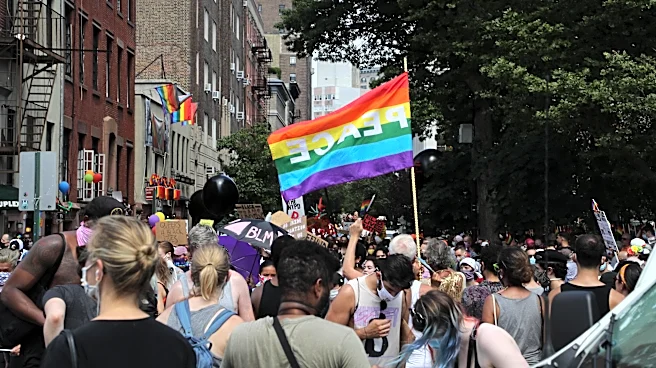
about 'homosexual tendencies,' and individuals found to be homosexual during service were discharged without honor. Kilhefner recounts the intense fear and stress he experienced during his 1962 training at Georgetown University, fearing discovery through FBI background checks or psychological tests. He strategically lied on applications and tests to conceal his identity. Despite the official stance, many gay and lesbian individuals, including staff and even the director of Ethiopia I, Harris Wofford, served in the Peace Corps during this period while closeted. Following the 1969 Stonewall Rebellion and the subsequent Gay Liberation Revolution, the U.S. Civil Service Commission ruled that being gay or lesbian could not disqualify a person from government service. Consequently, the Peace Corps began welcoming gay individuals in 1975 and same-sex couples in legally sanctioned relationships in 2013.
Why It's Important?
This historical perspective highlights the systemic discrimination against LGBTQ+ individuals in U.S. government service, including the Peace Corps, for decades. It underscores the personal toll and psychological burden placed on individuals forced to conceal their identities to serve their country. The narrative illustrates how societal prejudices were embedded in institutional policies, creating an environment of fear and secrecy. The eventual policy changes, driven by the Gay Liberation Revolution, mark a significant shift towards greater inclusivity and equality within federal agencies. This evolution reflects broader societal progress in LGBTQ+ rights and the ongoing effort to ensure that public service is accessible to all qualified individuals, regardless of sexual orientation. Understanding this history is crucial for appreciating the struggles faced by past generations and for continuing to advocate for full equality.
What's Next?
While the Peace Corps has officially welcomed LGBTQ+ individuals and same-sex couples since 2013, the ongoing work involves ensuring an inclusive and supportive environment for all volunteers. This includes continuous review of policies, training for staff, and fostering a culture that celebrates diversity. The historical context serves as a reminder of the importance of vigilance against discrimination and the need for proactive measures to promote equity. Future efforts may focus on further outreach to LGBTQ+ communities to encourage participation, as well as providing resources and support networks for LGBTQ+ volunteers serving in diverse cultural contexts globally. The agency will likely continue to adapt its programs to reflect evolving understandings of diversity and inclusion.
Beyond the Headlines
The personal story of Donald Kilhefner transcends a mere policy change; it speaks to the profound impact of institutionalized prejudice on individual lives and the broader societal implications of such discrimination. The requirement for individuals to live in secrecy not only caused personal anguish but also deprived organizations like the Peace Corps of the full authenticity and potential of their diverse workforce. The eventual shift in policy reflects a growing recognition that diversity, including sexual orientation, enriches an organization and strengthens its mission. This historical account also serves as a powerful testament to the resilience of individuals who persevered despite adversity and the transformative power of social movements in challenging and changing discriminatory norms. It underscores the ongoing journey towards creating truly equitable and inclusive institutions where all individuals can serve with dignity and pride.