






What's Happening?
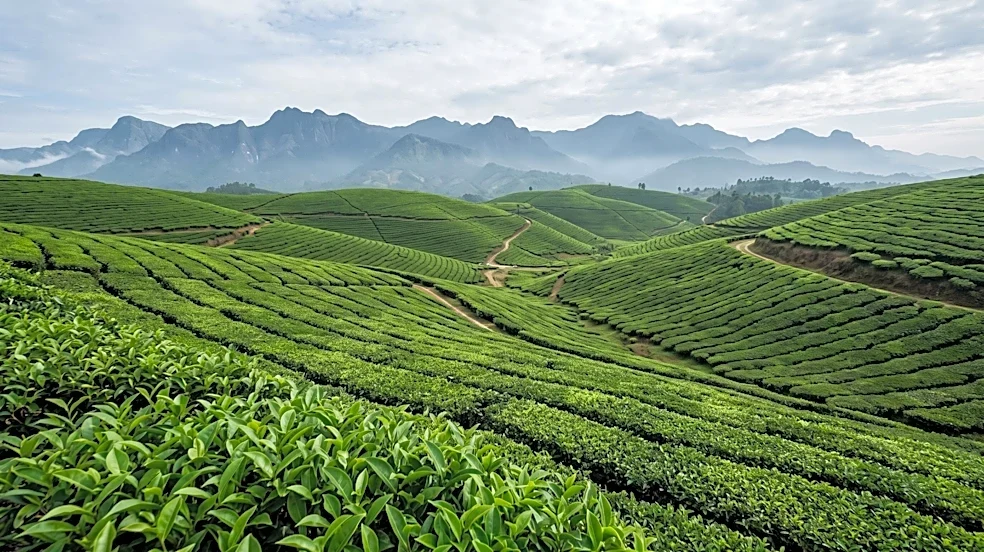
A tea garden worker in Assam, India, experienced neurological paralysis after being bitten on the foot by a snake described as completely white. The incident occurred around 11:30 a.m. on September 16. Despite the initial appearance of a minor injury
with no significant swelling or obvious fang marks, the worker's condition rapidly deteriorated. Approximately 50 minutes after the bite, she arrived at Demow Community Health Centre. By 1:40 p.m., health workers observed drooping eyelids and double vision, indicating neurotoxic envenomation. Treatment began with 20 vials of polyvalent anti-snake venom, along with neostigmine and glycopyrrolate. When her condition did not improve, medical staff suspected presynaptic neurotoxicity, likely from a Bungarus species. The patient was intubated by 3:30 p.m. and transferred to a private intensive-care facility, where she required mechanical ventilation due to complete flaccid paralysis.
Why It's Important?
This incident highlights the significant health risks faced by agricultural workers in regions where human activity overlaps with wildlife habitats, particularly in countries like India. Snakebites, especially from venomous species, can lead to severe neurological damage, paralysis, and even death if not treated promptly and effectively. The case also underscores the challenges in diagnosing and treating snakebites when initial symptoms are misleading or subtle, as the lack of obvious fang marks or swelling can delay appropriate medical intervention. The need for specialized medical facilities, including mechanical ventilation, in rural or remote areas is crucial for managing such emergencies. Furthermore, the worker's repeated identification of a 'white snake' suggests a potential encounter with a less commonly recognized or described variant of a venomous species, which could pose challenges for local communities in identifying dangerous snakes.
What's Next?
The tea worker's recovery unfolded gradually. She was removed from the breathing tube approximately 30 hours after the bite. Her difficulty swallowing resolved by the fourth day, and by the eighth day, her drooping eyelids and abnormal pupil responses had fully recovered. She was discharged on September 22 with no residual neurological deficit. This successful recovery demonstrates the critical importance of rapid medical response and sustained intensive care in managing severe snakebite envenomation. Moving forward, public health initiatives in regions with high snakebite incidence may focus on educating agricultural workers about snake identification, immediate first aid, and the importance of seeking prompt medical attention, even for seemingly minor bites. Continued research into snake venom and antivenom efficacy, particularly for less common or atypical presentations, could also be beneficial.
Beyond the Headlines
The 'white snake' incident in Assam, India, delves into the broader ecological and socio-economic implications of human-wildlife conflict. The expansion of agricultural lands, such as tea gardens, often encroaches upon natural habitats, increasing the likelihood of encounters between humans and venomous snakes. This situation raises questions about sustainable land use practices and the implementation of safety measures for workers in high-risk environments. Culturally, snake encounters can be imbued with local folklore and beliefs, which might influence how individuals react to bites or seek treatment. From a scientific perspective, the worker's consistent description of a 'white snake' could prompt further investigation into regional snake populations and potential color morphs, contributing to herpetological knowledge. The case also subtly touches upon the disparities in healthcare access and resources between urban and rural areas, as the initial health center lacked critical equipment like mechanical ventilators, necessitating a transfer.