What's Happening?
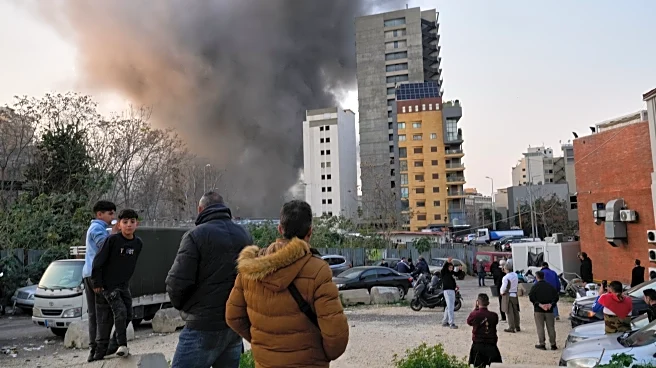
The ongoing conflict involving the U.S., Israel, and Iran has led to significant disruptions in the global oil market, particularly affecting Asian countries. The closure of the Strait of Hormuz, a critical shipping route, has resulted in a substantial
supply disruption, causing oil prices to surge. This has prompted countries like India, Nepal, and the Philippines to implement emergency measures to manage shortages and stabilize domestic supplies. The International Energy Agency has described this as the largest supply disruption in the history of the global oil market. Asian nations, heavily reliant on oil imports from the Gulf, are experiencing panic-buying and rationing as they scramble to secure alternative energy sources.
Why It's Important?
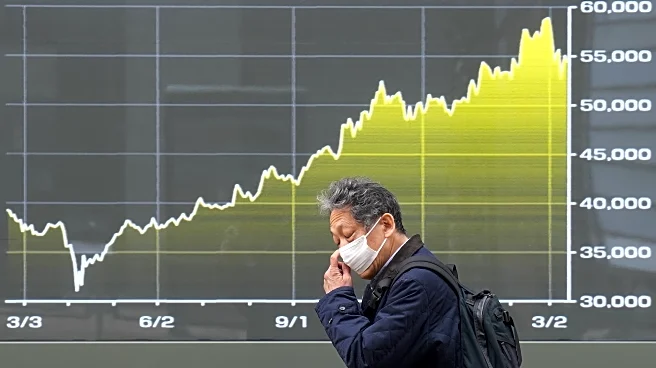
The disruption in oil supply due to geopolitical tensions highlights the vulnerability of Asian economies to external shocks, particularly those dependent on oil imports. The surge in oil prices can lead to inflationary pressures, affecting economic growth and trade balances. Countries like India, which is a major importer of LPG, are facing challenges in maintaining stable energy supplies, impacting essential services and consumer confidence. The situation underscores the need for diversification of energy sources and the development of more resilient energy infrastructures to mitigate the impact of such geopolitical events.
What's Next?
Asian countries are likely to continue seeking alternative energy sources and may increase investments in renewable energy to reduce dependency on oil imports. Governments may also implement further measures to stabilize domestic markets and protect consumers from price volatility. The ongoing conflict could lead to diplomatic efforts to reopen the Strait of Hormuz and stabilize the region, although the timeline for such developments remains uncertain.