





What's Happening?
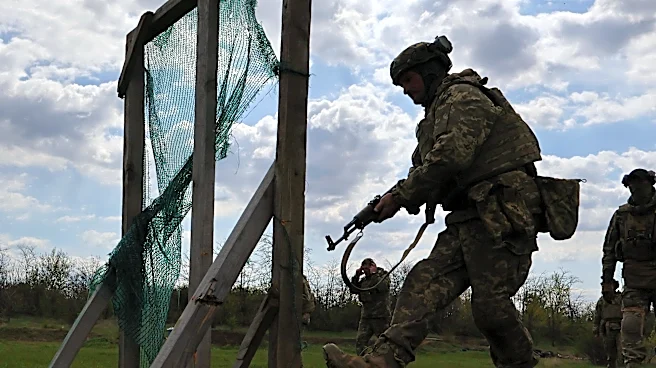
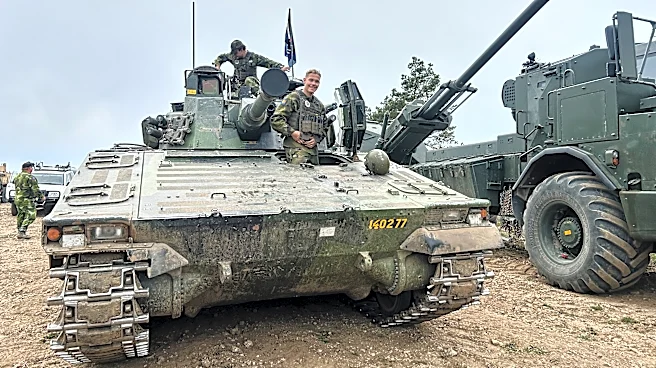
The U.S. Army has canceled the deployment of the 2nd Armored Brigade Combat Team, 1st Cavalry Division, which includes more than 4,000 soldiers, to Poland. This decision comes amid a significant budget shortfall estimated between $4 billion and $6 billion,
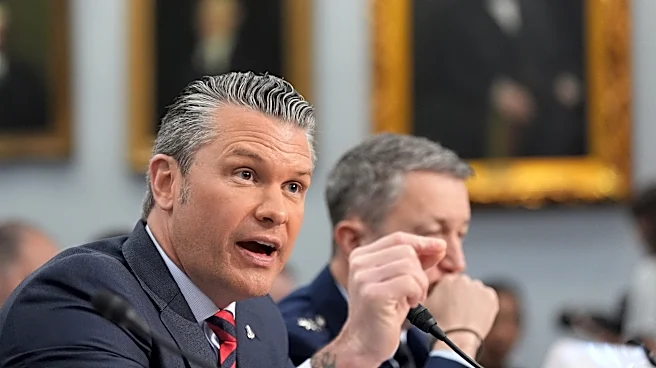
as reported by ABC News. The cancellation was not mentioned during a recent congressional hearing on the Army's budget posture, where Army Secretary Dan Driscoll and Gen. Christopher LaNeve were present. The news of the cancellation began circulating among soldiers early Tuesday morning. The budget shortfall is attributed to extended operations, including deployments of the Army National Guard to Washington, D.C., and units for U.S. border control. The Pentagon had previously announced plans to withdraw approximately 5,000 troops from Germany, aiming to reduce U.S. troop levels in Europe to pre-2022 levels.
Why It's Important?
The cancellation of the deployment to Poland highlights the financial constraints facing the U.S. Army, which could impact its operational readiness and strategic positioning in Europe. The budget shortfall may affect training and other military operations, potentially weakening the U.S. military's ability to respond to international threats. The decision also reflects a shift in U.S. military strategy, as the Pentagon seeks to adjust troop levels in Europe following the Russian invasion of Ukraine. This move could have implications for NATO's collective defense posture and the U.S.'s commitment to its European allies, particularly in the context of ongoing tensions with Russia.
What's Next?
The immediate next steps involve addressing the budget shortfall and determining how it will impact other military operations and deployments. The Pentagon and the Department of Defense may need to reassess their budget allocations and strategic priorities to ensure that critical operations are not compromised. Additionally, there may be diplomatic discussions with European allies to explain the decision and its implications for regional security. The U.S. Army will likely continue to monitor the situation and adjust its plans as necessary to maintain its commitments and readiness.