





What's Happening?
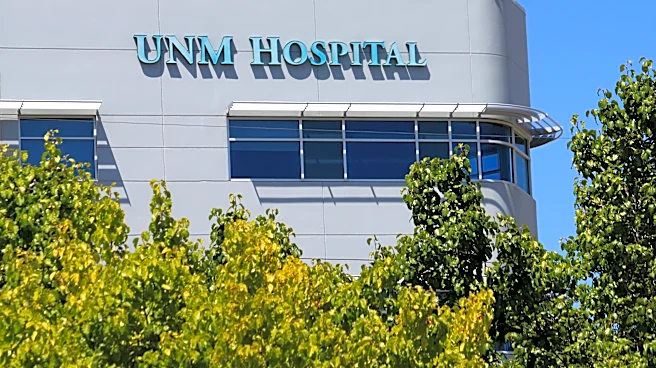
The University of New Mexico Health System experienced a cybersecurity incident that severely disrupted its operations, leading to ambulances being redirected and numerous patient appointments being canceled or rescheduled. The breach affected dozens
of medical facilities within the state's network. Employees reported seeing messages on their computers claiming that student, employee, and patient data had been stolen. The incident forced the main hospital in Albuquerque to turn away patients, and security guards at a medical center in Rio Rancho instructed patients to reschedule appointments. The cause of the incident is currently under investigation by local authorities.
Why It's Important?
This cybersecurity incident highlights the critical vulnerability of healthcare systems to cyberattacks and the profound impact such breaches can have on patient care and public health. The redirection of ambulances and cancellation of appointments underscore the immediate and tangible consequences, potentially jeopardizing emergency services and delaying essential medical treatments. The alleged theft of sensitive data, including patient information, raises serious concerns about privacy and data security for hundreds of thousands of individuals. This event serves as a stark reminder of the need for robust cybersecurity measures in healthcare to protect both patient data and the continuity of vital medical services, especially given the high volume of outpatient and emergency room visits handled by the UNM Health System annually.
What's Next?
The University of New Mexico Health System has begun resuming operations in phases, working to resolve the issue. Presbyterian Healthcare Services and Lovelace Health System, other major healthcare providers in New Mexico, are collaborating with UNM Health System by accepting more patients. The ongoing law enforcement investigation aims to determine the cause of the incident and identify those responsible. In the aftermath, the UNM Health System will likely focus on strengthening its cybersecurity infrastructure, implementing enhanced data protection protocols, and potentially notifying affected individuals about the data breach. The incident may also prompt broader discussions and policy changes regarding cybersecurity resilience within the healthcare sector.
Beyond the Headlines
This cybersecurity incident extends beyond a mere technical glitch, revealing deeper implications for national security, public trust, and the ethical responsibilities of organizations holding sensitive personal data. The targeting of healthcare systems by cybercriminals underscores the lucrative nature of medical data and the potential for disruption to critical infrastructure. It raises questions about the adequacy of current cybersecurity regulations and the need for greater investment in protective measures across the healthcare industry. Furthermore, the incident highlights the psychological impact on patients whose medical care is disrupted and whose personal information may have been compromised, eroding trust in institutions designed to protect their well-being. This event could catalyze a re-evaluation of how healthcare providers manage digital risks and respond to sophisticated cyber threats.