
What's Happening?
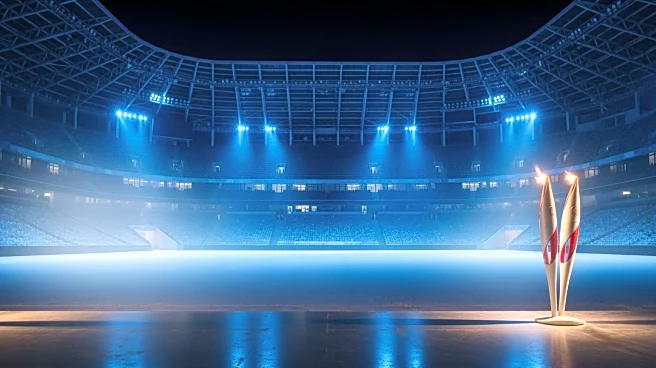
The Olympic flame made a historic passage through Venice's Grand Canal as part of the torch relay for the 2026 Milan Cortina Winter Olympics. The flame, carried by torchbearers on traditional Venetian
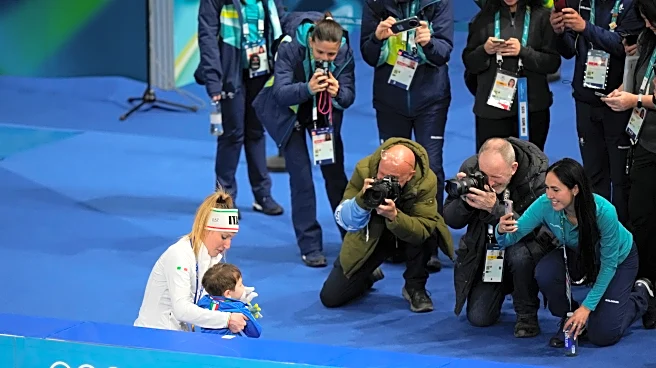
boats, traversed iconic landmarks such as the Rialto Bridge and St. Mark's Basin. This event marked the 46th stage of a 63-day relay covering 12,000 kilometers across Italy. The relay began in Rome and will conclude at Milan's San Siro Stadium for the opening ceremony on February 6, 2026. Francesco Lamon, an Olympic gold medal-winning cyclist, was among the torchbearers. The event drew large crowds, with thousands gathering in St. Mark's Square to witness the flame's journey. This is the first time since the 2006 Turin Games that Italy has hosted the Olympic flame.
Why It's Important?
The passage of the Olympic flame through Venice underscores the cultural and historical significance of the 2026 Milan Cortina Winter Olympics. Hosting the flame is a prestigious event that highlights Italy's role in the global sporting community. The relay not only promotes the upcoming Games but also showcases Italy's rich cultural heritage and scenic landscapes to a worldwide audience. The event is expected to boost tourism and local economies, particularly in host cities like Milan and Cortina. Additionally, the relay serves as a unifying event, bringing together diverse communities across Italy in celebration of the Olympic spirit.
What's Next?
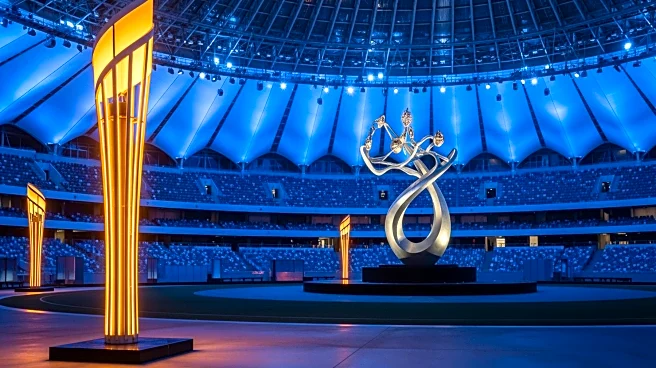
The torch relay will continue its journey through all 110 Italian provinces, culminating in the opening ceremony at Milan's San Siro Stadium on February 6, 2026. The Games will feature two official cauldrons, one in Milan and another in Cortina, symbolizing the unity and shared hosting responsibilities of the two cities. As the relay progresses, it is likely to generate increased media attention and public interest, further building anticipation for the Winter Olympics. Local authorities and organizers will continue preparations to ensure the successful execution of the Games, addressing logistical challenges and enhancing infrastructure to accommodate athletes and visitors.