







What's Happening?
Israel is actively working on countermeasures to address the threat posed by first-person view (FPV) drones, which Hezbollah may have acquired. These drones, capable of operating over distances of up to 60 kilometers, pose a significant threat to northern
Israeli cities such as Haifa. FPV drones are particularly challenging because they do not rely on wireless communication, making them immune to GPS jamming and other electronic defenses. They are controlled via a micro-thin fiber-optic cable, allowing precise control until impact. Despite the potential threat, experts note that Hezbollah's current skill level with these drones is not as advanced as seen in other conflicts, such as the Ukraine-Russia war. The Israeli Defense Forces (IDF) have acknowledged the technical challenges involved in operating these drones over long distances, including the weight-to-energy ratio and wind resistance.
Why It's Important?
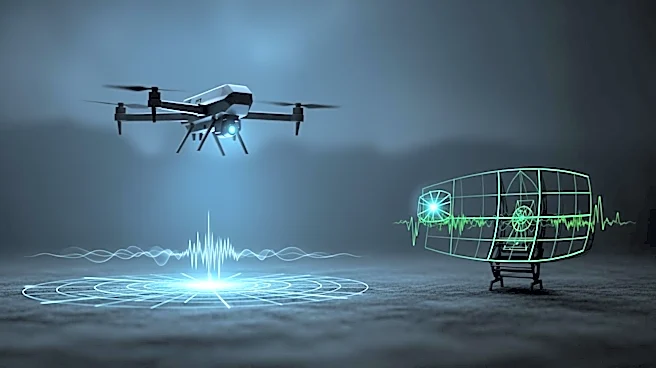
The development of countermeasures against FPV drones is crucial for Israel's national security, particularly in protecting strategic infrastructure and sensitive sites in the north. The potential acquisition of these drones by Hezbollah could escalate tensions in the region, posing a direct threat to civilian populations and critical facilities. The situation underscores the evolving nature of modern warfare, where autonomous drones and AI play increasingly significant roles. Israel's focus on technologies like 'Hunter Eye' to counter these threats highlights the importance of innovation in defense strategies. The broader implications include the need for international cooperation in regulating drone technology and preventing its misuse by non-state actors.
What's Next?
Israel is likely to continue investing in advanced technologies to counter drone threats, including developing more sophisticated detection and interception systems. The IDF may also increase surveillance and intelligence efforts to monitor Hezbollah's activities and prevent potential drone attacks. On a diplomatic level, Israel might seek to engage with international partners to address the proliferation of drone technology and enhance regional security cooperation. The situation could also prompt discussions on updating international laws and regulations regarding the use of drones in conflict zones.
Beyond the Headlines
The threat of FPV drones highlights the ethical and legal challenges associated with the use of autonomous weapons. As these technologies become more accessible, there is a growing need to establish clear guidelines and accountability measures to prevent their misuse. The situation also raises questions about the balance between technological advancement and security, as well as the potential for an arms race in drone capabilities. Long-term, the development and deployment of counter-drone technologies could lead to shifts in military strategies and defense spending priorities.