





What's Happening?
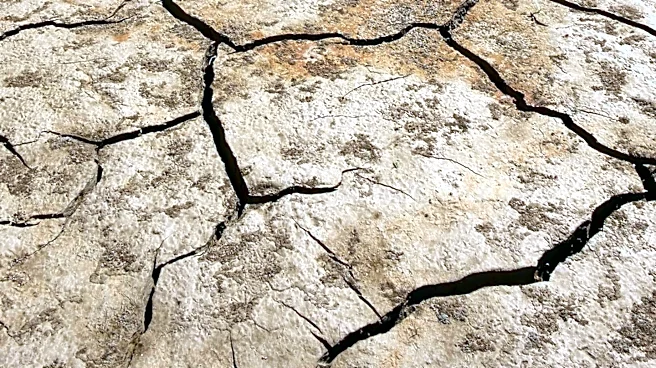
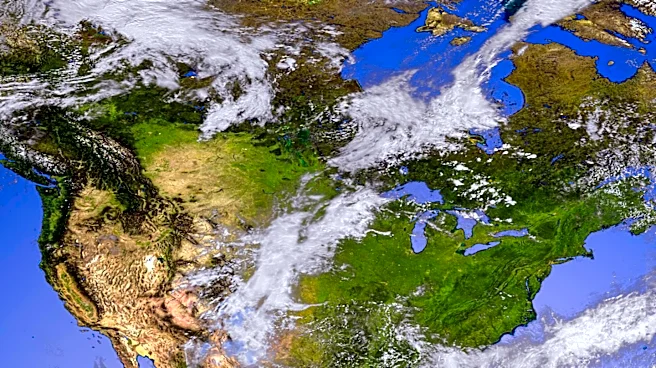
A flash drought is developing across the central United States, exacerbated by a large ridge of high pressure and uneven rainfall distribution. This situation is compounded by the influence of El Niño, which is rapidly developing and expected to impact
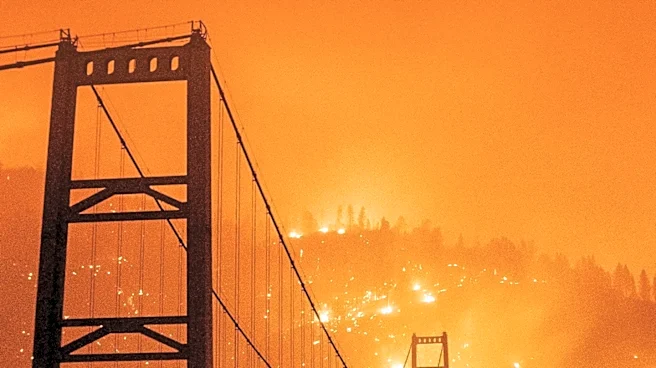
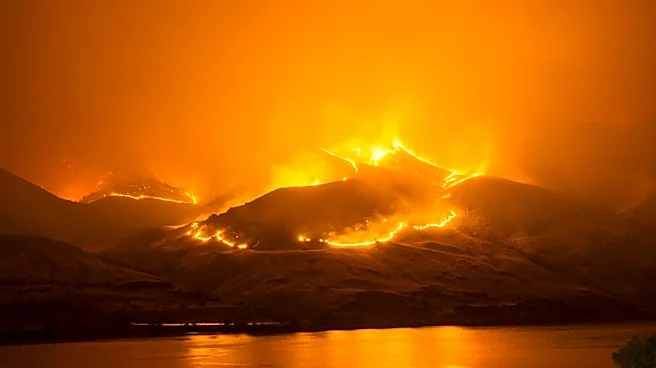
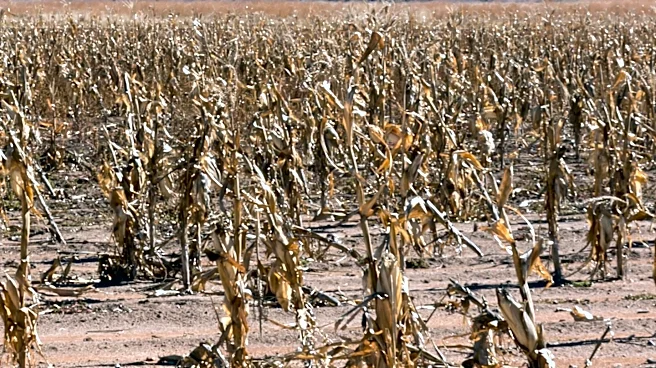
weather patterns significantly. Meteorologist Eric Snodgrass from Nutrien highlights the decline in soil moisture levels, particularly affecting corn and soybean-producing regions. The drought is developing quickly, placing stress on crops during critical growth stages. Additionally, wildfire smoke from new fires in Washington and Oregon is affecting air quality across the Midwest and Northeastern U.S.
Why It's Important?
The flash drought poses a significant threat to agricultural productivity in the central U.S., a key region for corn and soybean production. The rapid onset of drought conditions can lead to reduced crop yields, impacting food supply and prices. The situation underscores the vulnerability of agriculture to climate variability and the need for adaptive strategies to manage water resources and crop resilience. The presence of wildfire smoke further complicates the situation, affecting air quality and potentially impacting human health and agricultural operations.
What's Next?
Farmers and agricultural stakeholders are advised to monitor weather developments closely and prepare for potential impacts on crop yields. The strengthening El Niño is expected to continue influencing weather patterns, with potential for continued drought in the central U.S. and increased precipitation in eastern regions. The Climate Prediction Center's outlook suggests ongoing drought development in some areas, necessitating proactive measures to manage water resources and mitigate agricultural losses.