




What's Happening?
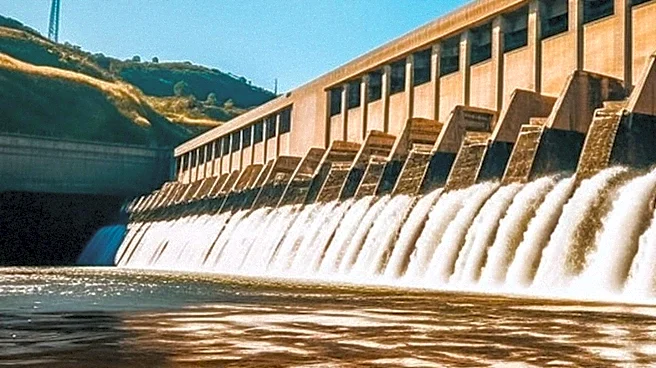
Congressman Vince Fong recently conducted an aerial tour of California's critical infrastructure, focusing on the state's water conveyance and storage systems, as well as agricultural lands. The tour provided a unique perspective on the importance of these
assets and the challenges they face. William Bourdeau, CPA, MBA, accompanied Congressman Fong, highlighting the necessity of reliable water supplies, resilient infrastructure, and thoughtful investment to support agriculture, communities, and economic growth throughout the Central Valley. The discussions during the tour emphasized that California's future is heavily dependent on these interconnected systems. The aerial view allowed for a firsthand assessment of the current state of these vital resources and the ongoing efforts required to strengthen them. This initiative underscores a commitment to understanding and addressing the foundational elements that sustain the region's economy and population.
Why It's Important?
This tour is important because it directly addresses the critical issues of water security and infrastructure resilience in California, particularly in the Central Valley, which is a major agricultural hub for the U.S. The state frequently grapples with water scarcity, and the condition of its water conveyance and storage systems directly impacts agricultural output, food supply chains, and the economic stability of numerous communities. By engaging directly with these issues through a firsthand assessment, Congressman Fong is signaling a focus on practical, long-term solutions. Investments in resilient infrastructure are crucial not only for mitigating the effects of droughts and other environmental challenges but also for ensuring sustained economic growth and public well-being. The interconnectedness of water, agriculture, and infrastructure means that deficiencies in one area can create cascading problems across the entire system, making proactive assessment and investment vital for the state's future.
What's Next?
Following this aerial tour and discussions, it is expected that Congressman Fong will use the insights gained to inform future legislative efforts and policy decisions related to California's water and infrastructure. This could involve advocating for federal funding, supporting specific projects aimed at improving water storage and delivery, or promoting policies that encourage sustainable agricultural practices. Collaboration with state and local agencies, as well as private sector stakeholders, will likely be a key component of any forward action. The focus will remain on developing a comprehensive strategy that accounts for the interdependencies of California's critical systems, aiming to ensure long-term water reliability and infrastructure resilience. Continued dialogue and engagement with experts and affected communities are also anticipated to shape the next steps in strengthening these vital resources.
Beyond the Headlines
The tour by Congressman Fong delves into the deeper implications of resource management and its impact on regional and national economies. California's water and agricultural challenges are not isolated; they reflect broader national concerns about climate change, resource allocation, and the sustainability of food production. The Central Valley's agricultural output is significant for the entire U.S., meaning that issues affecting its productivity can have ripple effects on national food prices and supply. This initiative also highlights the complex interplay between environmental policy, economic development, and community welfare. The need for 'thoughtful investment' suggests a move beyond short-term fixes towards integrated, long-term planning that considers ecological impacts, technological advancements, and equitable distribution of resources. This approach could serve as a model for other regions facing similar challenges, emphasizing the importance of holistic infrastructure strategies that support both economic vitality and environmental stewardship.