

What's Happening?
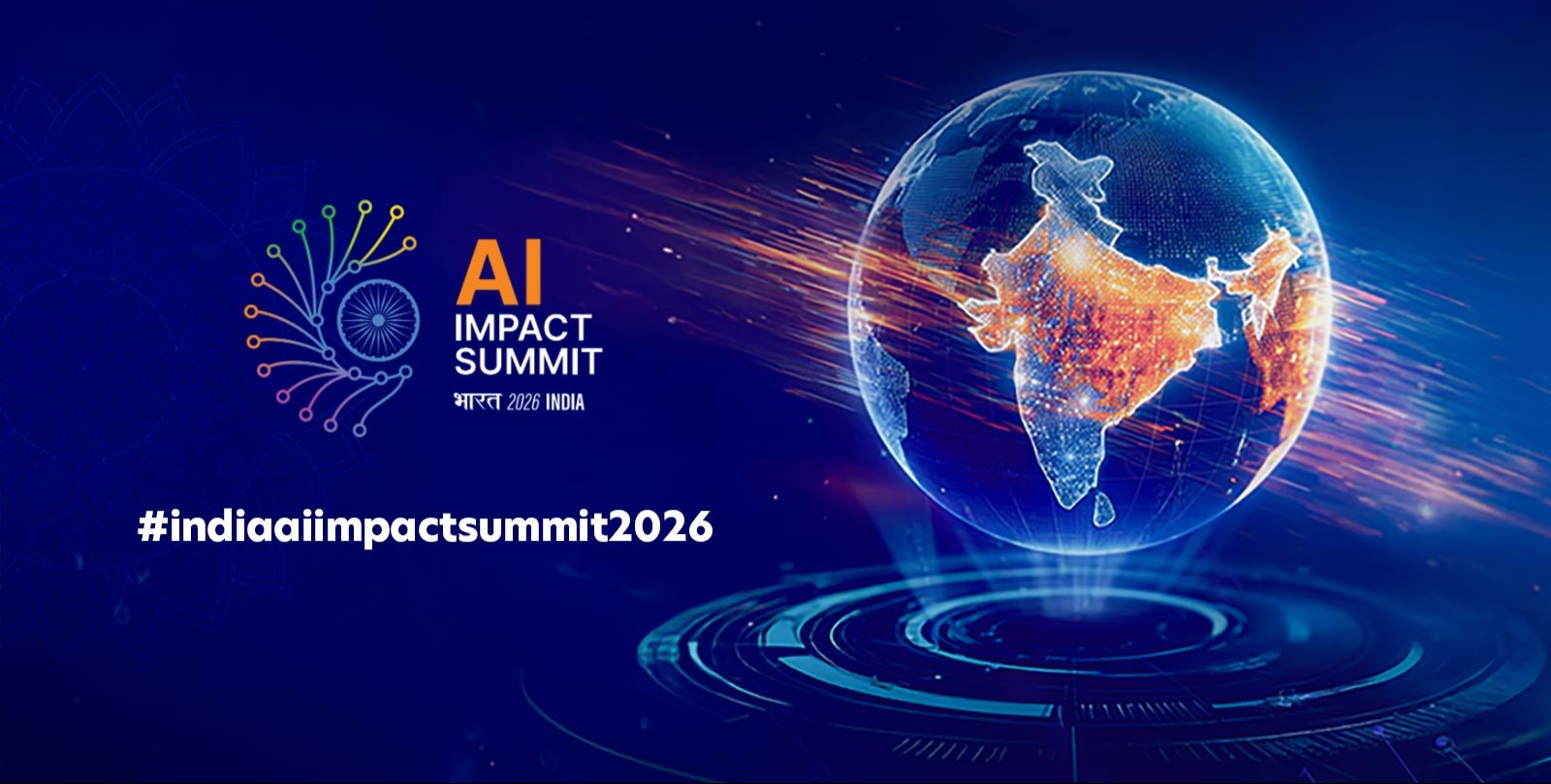
Punya Salila Srivastava, Secretary of the Ministry of Health & Family Welfare in India, highlighted the transformative potential of Artificial Intelligence (AI) in the healthcare sector during the India AI Impact Summit 2026. The integration of AI is expected
to revolutionize service delivery by addressing critical gaps and reducing the workload on healthcare professionals. The national AI strategy aims to support human intervention rather than replace it, enhancing the physician-patient relationship. The initiative is part of a broader digital transformation under the Ayushman Bharat Digital Mission (ABDM), which has already linked 859 million citizens to health accounts and facilitated over 449 million telemedicine consultations through the eSanjeevani platform. AI applications like MadhuNETrAI and AI-enabled X-rays are already in use, contributing to early disease detection and management.
Why It's Important?
The integration of AI into healthcare is significant as it promises to improve efficiency and service delivery in a sector that often faces high demand and limited resources. By reducing the burden on healthcare workers, AI can help address the challenges of high patient volumes, particularly in government systems. This development is crucial for a country like India, where healthcare access and quality are critical issues. The use of AI in healthcare also aligns with global trends towards digital health solutions, potentially setting a precedent for other nations. The initiative supports the vision of Viksit Bharat by 2047, emphasizing digital public infrastructure as a tool for inclusion and equity.
What's Next?
The Indian government plans to establish three Centres of Excellence for AI in healthcare at AIIMS Delhi, PGIMER Chandigarh, and AIIMS Rishikesh. These centers will focus on advancing AI applications in healthcare and are expected to collaborate with private-sector partners and state governments. Feedback from these stakeholders will be crucial in shaping future procurement models and data frameworks. The ongoing development of AI in healthcare will likely lead to further innovations and improvements in service delivery, potentially influencing global healthcare practices.