








What's Happening?
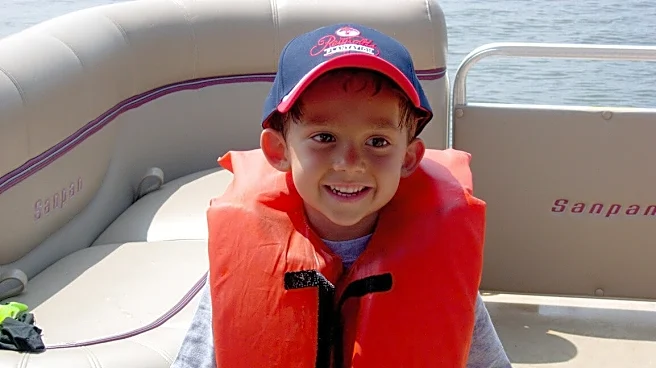
In 2007, six-year-old Zachary Archer Cohn tragically drowned in a backyard pool in Connecticut due to a drain entrapment. His parents, Karen and Brian Cohn, were unaware of the potential danger posed by a loose drain cover, which led to Zachary's arm
being trapped underwater. Despite efforts to rescue him, the suction was too strong, and he could not be saved. In the aftermath, the Cohn family pursued legal action and used the settlement to establish The Zac Foundation, a nonprofit dedicated to water safety. The foundation has since provided free water safety camps to over 25,000 children in at-risk communities and contributed to the U.S. National Water Safety Action Plan.
Why It's Important?
Drowning is a leading cause of death among young children in the United States, with more children ages 1 to 4 dying from drowning than any other cause. The Cohn family's advocacy highlights the critical need for increased awareness and preventive measures to protect children from such tragedies. Their efforts have not only kept Zachary's memory alive but have also significantly contributed to national and local drowning prevention strategies. By promoting water safety education and infrastructure improvements, the foundation aims to reduce the incidence of drowning and save lives.
What's Next?
The Zac Foundation continues to expand its reach, offering water safety education and resources to more communities. The Cohns remain active in advocating for stronger safety regulations and public awareness campaigns. As summer approaches, the foundation emphasizes the importance of the ABC's of water safety: adult supervision, barriers, classes, drain safety, and awareness of water hazards everywhere. These initiatives aim to prevent future tragedies and ensure that families can enjoy water activities safely.
Beyond the Headlines
The Cohn family's journey from personal tragedy to public advocacy underscores the transformative power of turning grief into action. Their work not only addresses immediate safety concerns but also fosters a culture of vigilance and responsibility around water safety. This case highlights the broader societal need for comprehensive safety standards and the role of community-driven initiatives in effecting change.