


What's Happening?
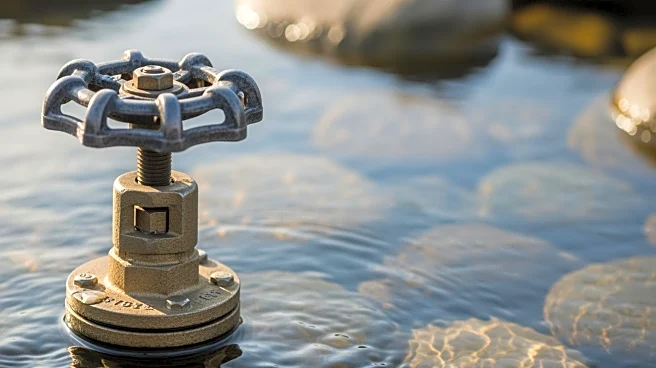
The Trump administration has announced plans to limit the authority of states and tribes in protecting clean water from pollution associated with pipelines and other major infrastructure projects. The proposed changes to Section 401 of the Clean Water
Act would make it more challenging for states and tribes to assess pollution risks and reject projects that could harm water quality. This move follows a decision by federal pipeline safety regulators not to enforce safety work requirements on oil and gas operators, raising concerns about the potential environmental impact of reduced regulatory oversight.
Why It's Important?
The proposed changes could significantly impact state and tribal efforts to safeguard water resources, potentially leading to increased pollution from infrastructure projects. Environmental groups, such as the Sierra Club, have criticized the move, arguing that it prioritizes the interests of fossil fuel companies over public health and environmental protection. The changes could also lead to legal challenges from states and environmental organizations seeking to maintain their authority to regulate water quality. This development is part of a broader trend of regulatory rollbacks under the Trump administration, which has sought to reduce federal oversight in favor of industry interests.
Beyond the Headlines
The limitation of state authority in environmental regulation could have long-term implications for federal-state relations and the balance of power in environmental governance. By reducing the ability of states to enforce stricter environmental standards, the administration's actions may undermine efforts to address climate change and protect natural resources. The proposed changes also highlight the ongoing tension between economic development and environmental protection, raising questions about the sustainability of current energy policies and the role of government in regulating industry practices.