







What's Happening?
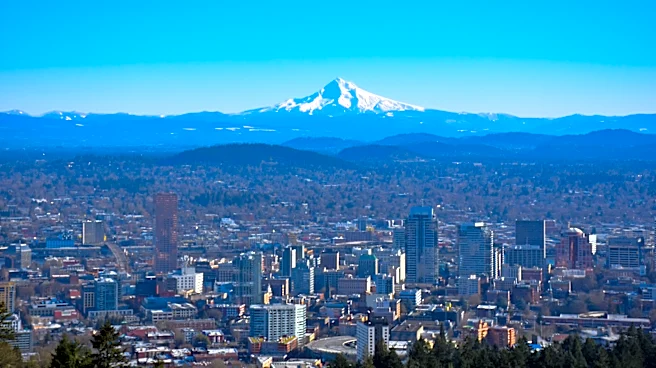
Oregon is facing significant environmental challenges, including high energy bills, wildfires, and air pollution. The state's Climate Protection Program is designed to address these issues by reducing pollution and promoting clean energy. The program
sets limits on emissions from major polluters and invests in energy-efficient technologies. It aims to improve public health and create economic opportunities, with projections of adding nearly 10,000 jobs and $2.5 billion to the state's GDP by 2050. The program is seen as essential for building a resilient future amid federal rollbacks on environmental protections.
Why It's Important?
The Climate Protection Program is crucial for Oregon's efforts to mitigate the impacts of climate change and protect public health. By holding polluters accountable and investing in clean energy, the program not only addresses environmental concerns but also stimulates economic growth. The initiative is particularly important for vulnerable communities, including low-income families and people of color, who are disproportionately affected by climate change. The program's success could serve as a model for other states seeking to balance environmental sustainability with economic development.
What's Next?
As Oregon continues to implement the Climate Protection Program, it faces challenges from corporate interests seeking to weaken environmental regulations. The state must navigate these pressures while ensuring the program's goals are met. Ongoing public support and advocacy will be critical in maintaining momentum and achieving long-term environmental and economic benefits. Additionally, monitoring and reporting on the program's impact will be essential for transparency and accountability.