




What's Happening?
U.S. and Iranian negotiators have reached a tentative agreement to extend the ceasefire in the ongoing conflict by 60 days and initiate talks on Iran's nuclear program. This development comes as tensions remain high, with recent missile and drone attacks
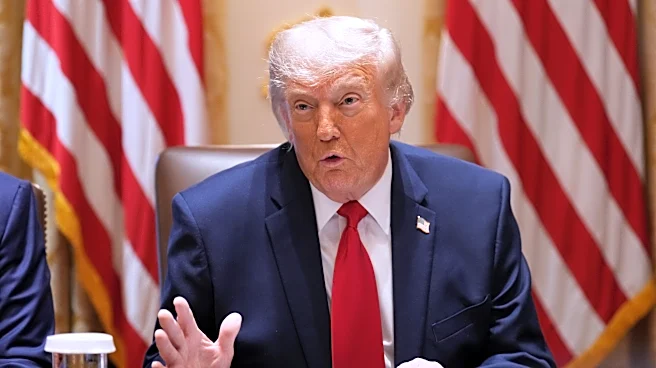
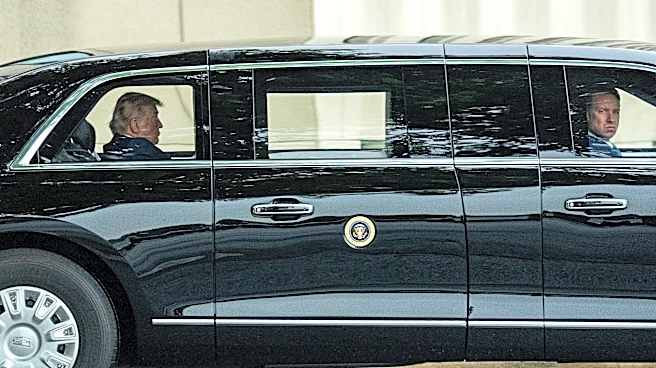
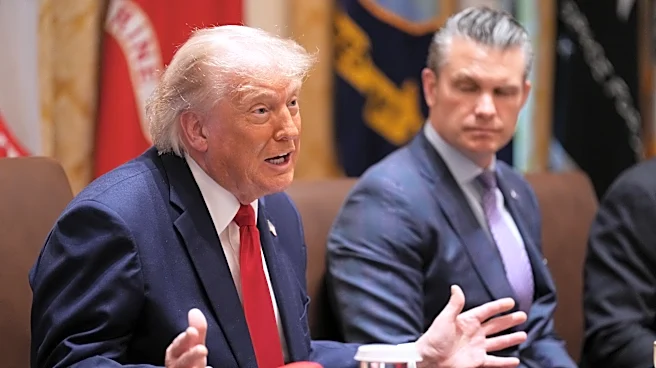
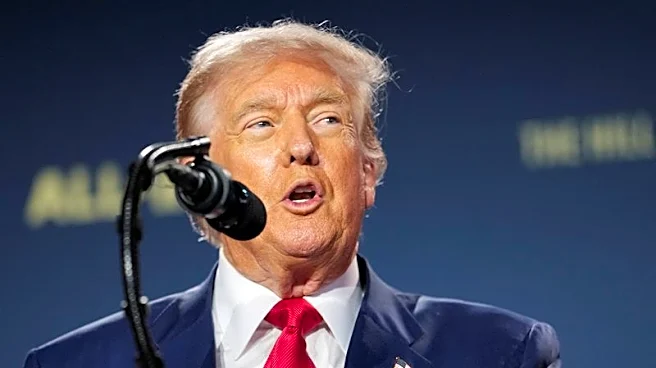
intercepted by Kuwaiti and U.S. forces. The memorandum of understanding stipulates that Iran must remove all mines from the Strait of Hormuz within 30 days, a critical waterway for global oil trade. The U.S. has agreed to gradually lift its naval blockade on Iranian ports and relax sanctions, allowing Iran to sell more oil. However, the deal is not yet finalized as it awaits approval from President Trump.
Why It's Important?
The tentative agreement is significant as it aims to de-escalate a conflict that has disrupted global oil markets and heightened regional tensions. The Strait of Hormuz is a vital passage for a significant portion of the world's oil supply, and its closure has led to increased oil prices. The potential lifting of sanctions could provide economic relief to Iran, while the U.S. seeks to prevent further military escalation. The agreement also opens the door for discussions on Iran's nuclear program, a longstanding point of contention. The outcome of these talks could have far-reaching implications for regional stability and international relations.
What's Next?
If President Trump approves the agreement, the next steps will involve detailed negotiations on Iran's nuclear stockpile and the lifting of sanctions. The U.S. and Iran will need to address the issue of Iran's enriched uranium, with potential third-party involvement from countries like China or Russia. Additionally, the ceasefire extension will require both parties to adhere to the terms to prevent further military confrontations. The international community will be closely monitoring these developments, as the outcome could influence future diplomatic and economic engagements in the region.