




What's Happening?
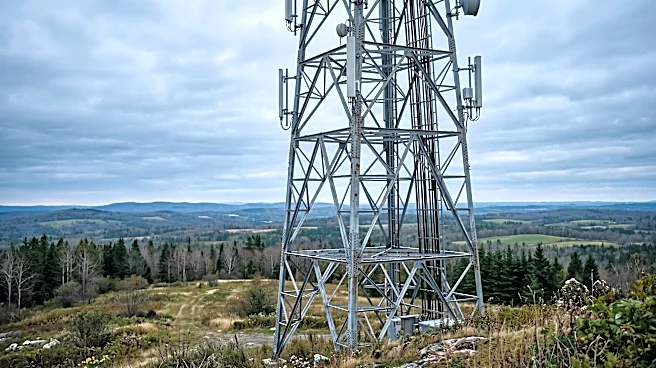
Telus customers in Quebec are experiencing an ongoing outage that is affecting 911 services. The specific cause and extent of the outage are not detailed, but its impact on emergency services highlights a critical infrastructure vulnerability. This disruption
means that individuals attempting to reach emergency responders via 911 may face difficulties, potentially delaying critical assistance. The situation underscores the reliance on telecommunications providers for essential public safety functions and the immediate consequences when these systems fail. The outage is localized to Quebec, affecting Telus's customer base within the province.
Why It's Important?
The disruption of 911 services, even for a single telecommunications provider, carries significant public safety implications. In emergency situations, timely access to 911 can be the difference between life and death. For affected Telus customers in Quebec, this outage could lead to delayed responses from police, fire, or medical services, potentially exacerbating emergencies. This event also brings to light the broader issue of telecommunications infrastructure resilience and the need for robust backup systems to ensure continuous access to emergency services. Such outages can erode public trust in essential services and prompt calls for greater oversight and investment in telecommunications reliability, particularly concerning emergency call systems.
What's Next?
Telus will likely be working to restore full service to its customers in Quebec, prioritizing the functionality of 911 services. Following the resolution of the outage, there may be investigations into its cause to prevent future occurrences. Regulatory bodies in Canada, such as the Canadian Radio-television and Telecommunications Commission (CRTC), may review the incident to assess compliance with service reliability standards and potentially implement new measures to safeguard emergency service access. Telus customers in the affected region will be awaiting updates and restoration of normal service, while public safety officials will likely evaluate their communication protocols during such disruptions.
Beyond the Headlines
This incident highlights the increasing interconnectedness of modern society and its dependence on digital infrastructure. Beyond the immediate public safety concerns, a disruption of this nature can trigger broader discussions about digital equity and the essential nature of reliable internet and phone services. It also raises questions about the redundancy and resilience of critical national infrastructure, particularly in an era where cyber threats and technical failures are constant concerns. The event could spur policy debates on mandating higher reliability standards for telecommunications providers and exploring alternative or decentralized emergency communication methods to ensure that essential services remain accessible even during widespread outages.