




What's Happening?
France is currently experiencing a severe heatwave, with temperatures reaching up to 40°C in some regions. This is the third heatwave of the summer, following intense heat spells in June and July. The Ministry for Ecological Transition has convened to assess
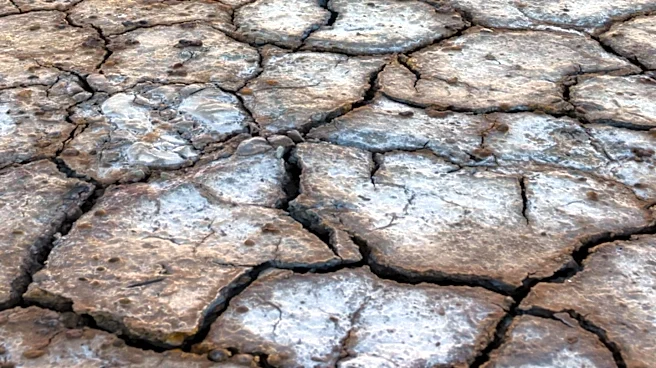
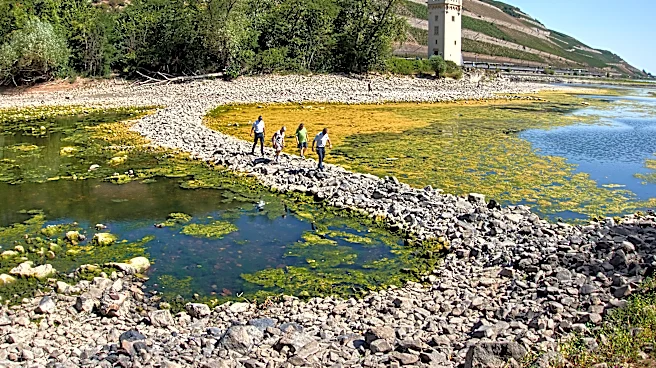
the worsening drought conditions that have persisted since May. As of August 6, soil dryness is at record levels, and water restrictions are affecting areas home to 94% of the mainland population. The French Biodiversity Office reports that the state of smaller rivers and streams is the most critical ever recorded at this time of year. The Ministry is also addressing the impact on agriculture, with wheat production expected to fall and the smallest corn harvest in 40 years anticipated.
Why It's Important?
The ongoing heatwave and drought in France highlight the increasing frequency and intensity of extreme weather events, likely exacerbated by climate change. These conditions pose significant challenges to agriculture, water supply, and biodiversity. The agricultural sector is particularly vulnerable, with potential economic losses due to reduced crop yields. The water restrictions affecting a vast majority of the population underscore the urgent need for sustainable water management practices. The situation also raises concerns about the resilience of infrastructure and public health systems in coping with prolonged heat and water scarcity.
What's Next?
The French government is taking steps to address the crisis by convening the hydrological monitoring committee and tasking lawmakers with proposing new measures against forest fires. These efforts aim to enhance the country's resilience to climate-induced challenges. The forthcoming bill on modernizing France's civil security system will likely incorporate these proposals. Additionally, the government is expected to continue monitoring the situation closely and implement further measures to mitigate the impact on agriculture and water resources.
Beyond the Headlines
The current situation in France serves as a stark reminder of the broader implications of climate change on national and global scales. It highlights the need for international cooperation in addressing environmental challenges and developing adaptive strategies. The crisis also underscores the importance of integrating climate considerations into policy-making and infrastructure planning to ensure long-term sustainability and resilience.