

What's Happening?
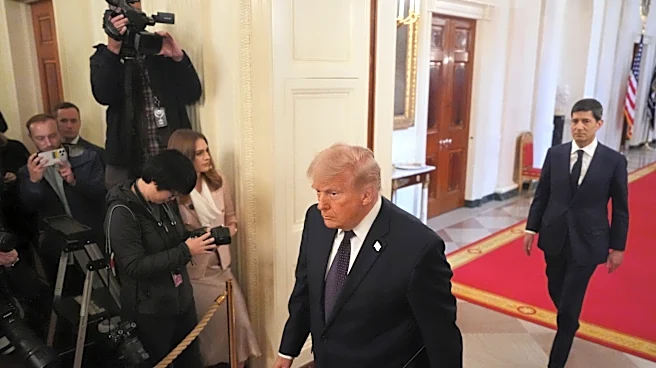
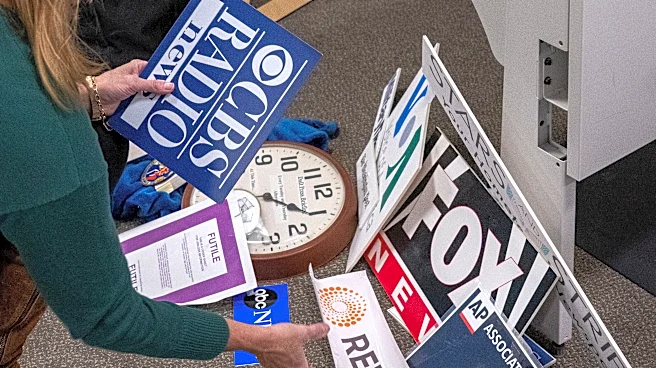
President Trump's second term has seen multiple attempts to restrict press freedom, raising concerns about the erosion of First Amendment rights. Over 16 months, there have been 15 notable incidents, including legal actions against major media outlets,
access restrictions for journalists, and regulatory pressures. These actions have sparked debates about the balance between national security and the public's right to information. Historical tensions between the presidency and the press are being revisited, with Trump's administration taking a particularly aggressive stance against perceived media bias.
Why It's Important?
The ongoing challenges to press freedom under President Trump have significant implications for democratic governance and transparency. The press serves as a critical check on government power, and restrictions on media access and reporting can undermine public trust and accountability. These developments may lead to increased scrutiny from civil rights organizations and could influence future legislative efforts to protect press freedoms. The situation also highlights the broader global trend of rising tensions between governments and the media.
What's Next?
As these issues continue to unfold, there may be calls for bipartisan congressional oversight to address the administration's actions against the press. Legal battles could ensue, potentially reaching higher courts, which would set important precedents for press freedom in the U.S. The media industry and advocacy groups are likely to intensify their efforts to safeguard journalistic rights and ensure that the public remains informed about government activities.