






What's Happening?
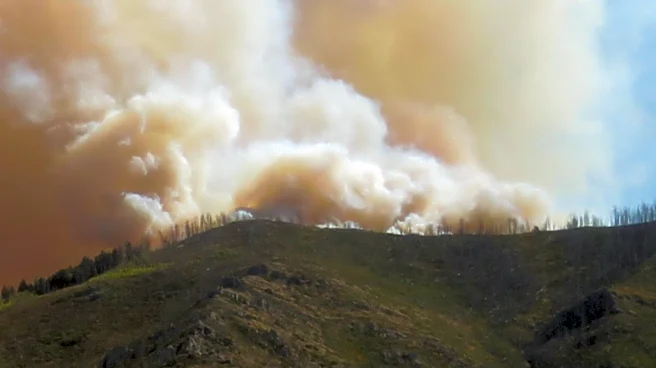
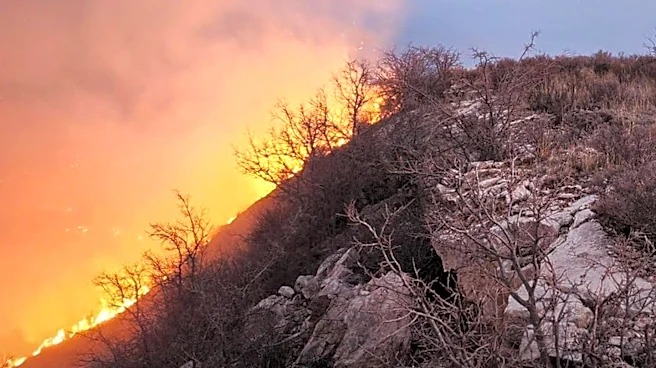
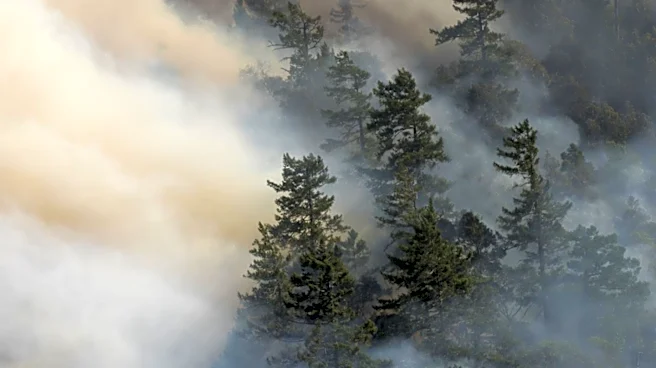
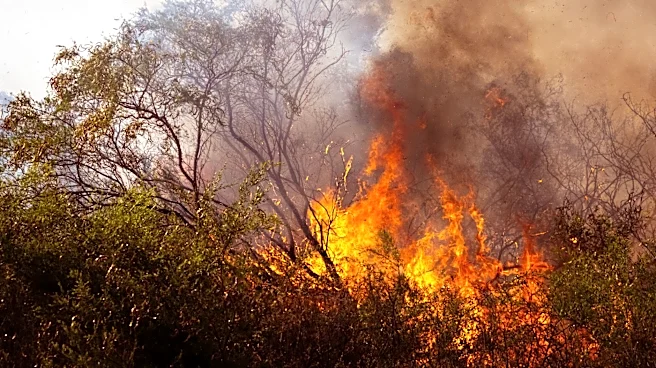
The Widemouth 2 Fire in Millard County, Utah, has led to evacuation warnings and a state of emergency as strong winds pushed the fire north. The fire, which began earlier in the week, has grown rapidly due to southern winds, creating dangerous conditions
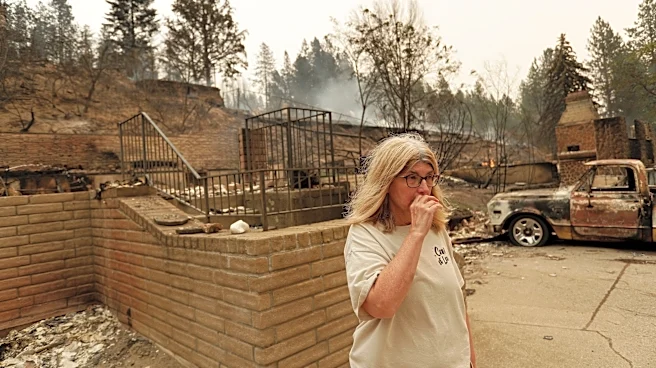
for firefighters. A multi-agency incident management team is prioritizing evacuations and working to protect structures. As of the latest reports, 25 homes in Kanosh, Meadow, and the Paiute band of Kanosh have been evacuated. The Paiute Indian Tribe of Utah declared a state of emergency, and residents were instructed to seek shelter in Fillmore. The fire has grown to over 36,000 acres, and federal assistance has been requested. FEMA announced it would provide funds to cover 75% of the state's eligible firefighting costs.
Why It's Important?
The Widemouth 2 Fire highlights the increasing frequency and intensity of wildfires in the western United States, exacerbated by climate conditions. The rapid growth of the fire poses significant risks to local communities, infrastructure, and natural resources. The involvement of FEMA underscores the severity of the situation and the need for federal support in managing such disasters. The fire's impact on local communities, including the Paiute Indian Tribe, emphasizes the vulnerability of rural and indigenous populations to natural disasters. The situation also raises concerns about resource allocation and the effectiveness of current firefighting strategies in the face of escalating fire behavior.
What's Next?
Firefighting efforts will continue with a focus on containment and protecting lives and property. Residents in affected areas are advised to stay alert for evacuation notifications and to prepare for potential displacement. The ongoing fire management will require coordination between local, state, and federal agencies. The situation may prompt discussions on improving fire management practices and increasing resources for firefighting in the region. Additionally, the fire's impact on the environment and local water resources may lead to further assessments and long-term recovery plans.