





What's Happening?
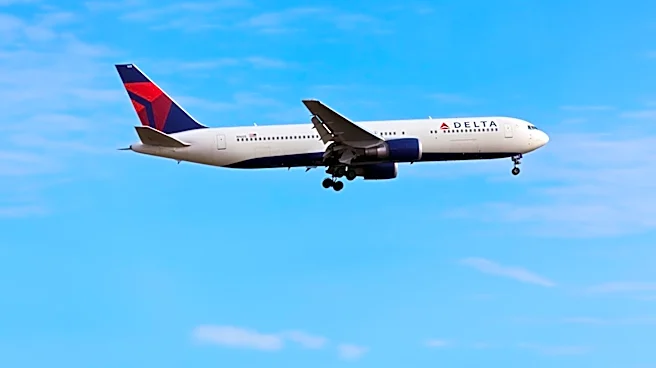
A Delta Air Lines flight from Las Vegas to Atlanta experienced a security incident involving an unauthorized Wi-Fi network. The network, named 'Delta WiFi Fast,' appeared during the flight, prompting the crew to disable the aircraft's internet service
temporarily. Delta confirmed that no systems were hacked and that the flight's safety was never compromised. The incident raised concerns about the security of in-flight Wi-Fi networks and the potential for passengers to connect to rogue networks. Travel expert Lee Abbamonte emphasized the importance of passengers verifying the correct network before connecting.
Why It's Important?
This incident underscores the vulnerabilities associated with in-flight Wi-Fi networks, which are increasingly common on commercial flights. As more passengers rely on these networks for connectivity, the risk of cyber threats, such as phishing attacks, increases. Airlines may need to enhance their security protocols and educate passengers on safe practices to prevent unauthorized access. The event also highlights the broader issue of cybersecurity in the aviation industry, where the potential for data breaches and other cyber threats poses significant risks to both passengers and airlines.
What's Next?
Delta and other airlines may review and strengthen their in-flight Wi-Fi security measures to prevent similar incidents. This could involve clearer communication to passengers about the official network names and potential risks of connecting to unauthorized networks. Regulatory bodies might also consider implementing stricter guidelines for in-flight internet services. Passengers are likely to become more cautious and informed about cybersecurity risks while traveling, potentially influencing their behavior and expectations regarding in-flight connectivity.