



What's Happening?
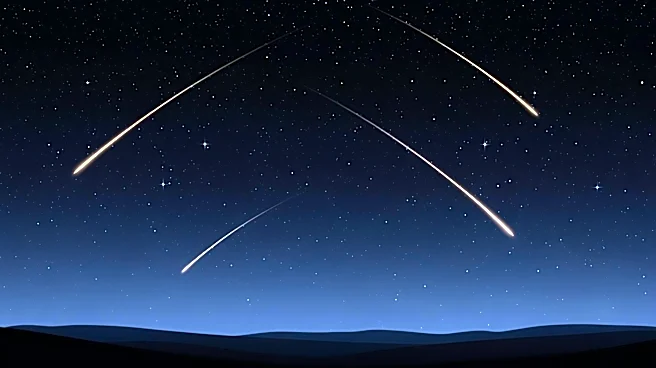
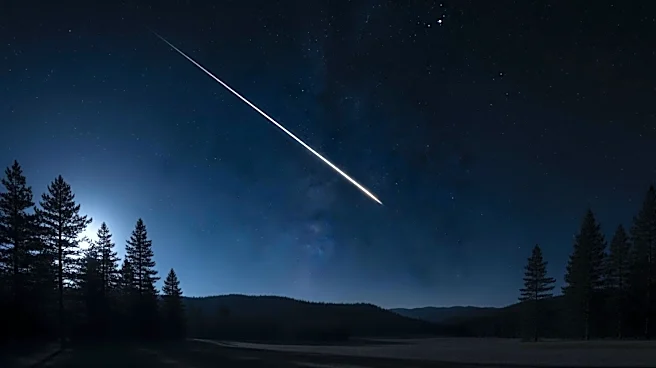
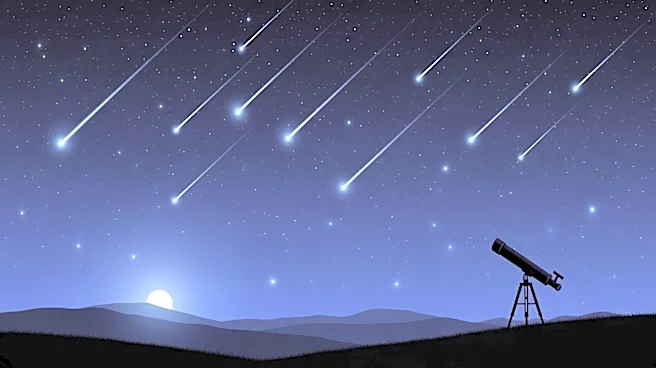
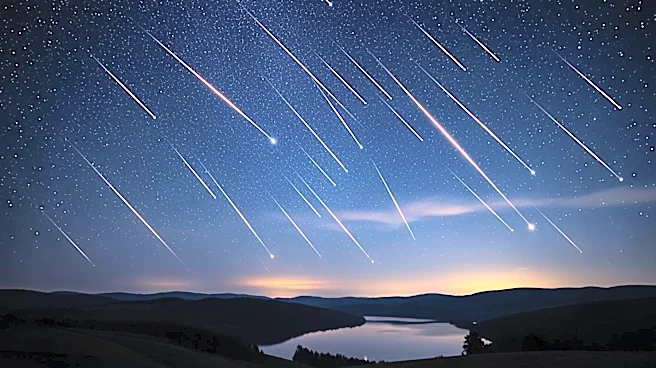
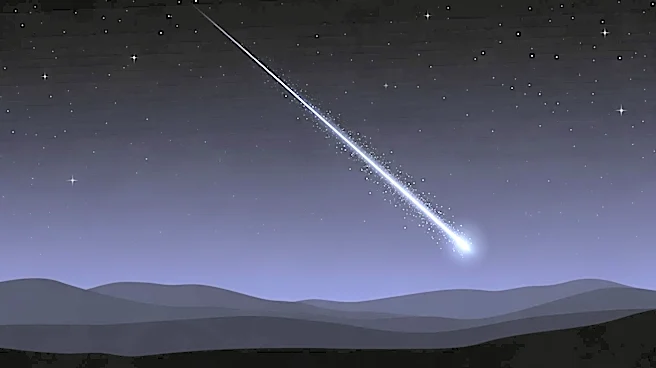
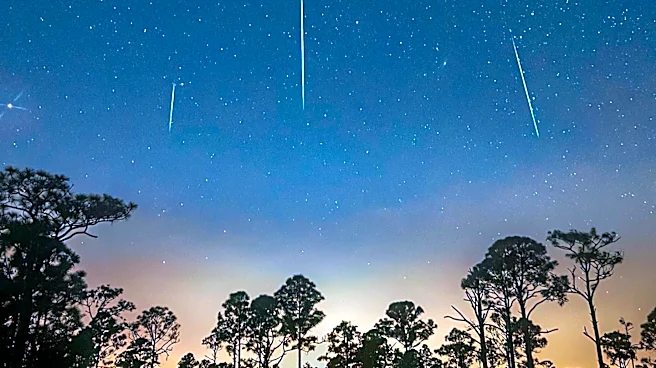
The Lyrid meteor shower, one of the oldest recorded meteor showers, is set to peak on April 22, 2026, offering a celestial spectacle in moonless skies. Stargazers can expect to see 10 to 20 meteors per hour, with the best viewing conditions during the predawn
and post-sunset hours. The Lyrids are known for their bright fireballs and occasional bursts of activity. This year's event benefits from favorable astronomical conditions, as the new moon ensures minimal light interference, enhancing visibility of the meteors.
Why It's Important?
The Lyrid meteor shower provides an opportunity for both amateur and professional astronomers to observe and study meteoric activity. Such events foster public interest in astronomy and encourage educational outreach. The predictable nature of meteor showers allows for planned observations, contributing to scientific research on meteoroid composition and behavior. For the general public, the Lyrids offer a chance to connect with the natural world and appreciate the beauty of the night sky, promoting awareness of astronomical phenomena.