



What's Happening?
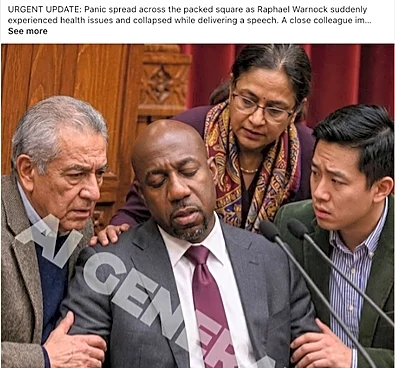
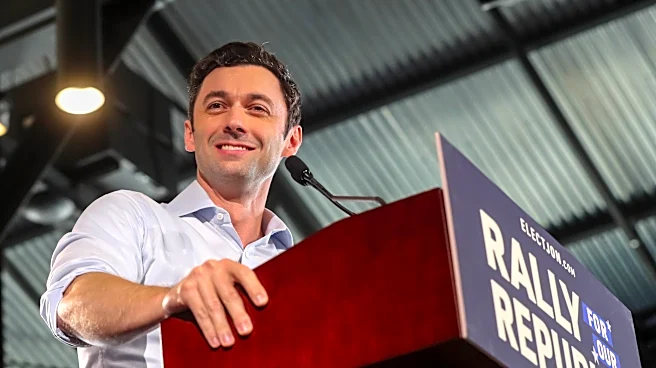
U.S. Senator Raphael Warnock of Georgia, along with all other Black Democrats in the Senate, voted against advancing the Protect College Sports Act. This comprehensive legislative framework aims to regulate college athletics by establishing a national
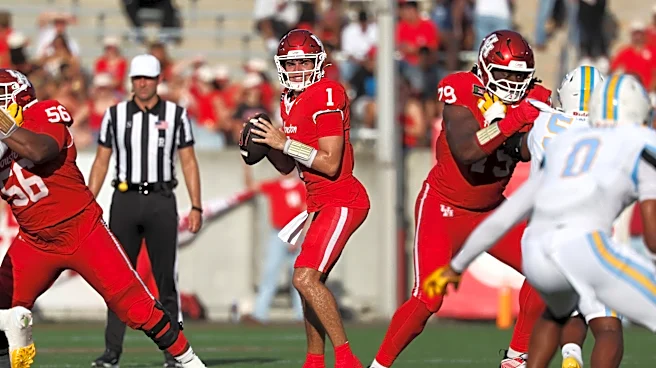
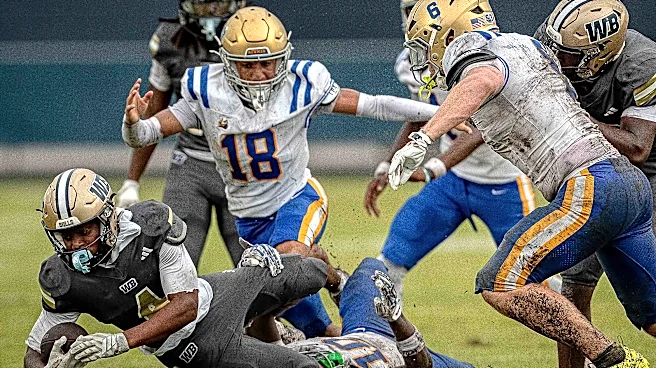
framework for Name, Image, and Likeness (NIL) deals, athlete compensation, media rights, and revenue sharing. The bill, which passed the Senate in a 77-22 bipartisan vote, is intended to address confusion among states operating under different rules. However, Senator Warnock and his colleagues, including Cory Booker of New Jersey, Lisa Blunt Rochester of Delaware, and Angela Alsobrooks of Maryland, opposed the bill. Their opposition aligns with the NAACP's stance, which argues that the legislation strips student-athletes of their bargaining rights and could disproportionately affect Black athletes. Senator Booker specifically stated that the bill jeopardizes college athletes' health and safety and provides broad-based antitrust exemption to the NCAA without sufficient benefits for players.
Why It's Important?
The Protect College Sports Act represents a significant attempt to standardize the landscape of college athletics, an industry with substantial economic and social impact in the U.S. The opposition from Senator Warnock and other Black Democrats, supported by the NAACP, highlights critical concerns about athlete welfare and equity. If enacted, the bill's provisions, such as a five-year eligibility limit and restrictions on transfers, could fundamentally alter the careers and opportunities of student-athletes. The debate underscores the tension between the desire for a unified regulatory framework and the protection of individual athlete rights, particularly for those from marginalized communities. The NAACP's argument that the bill disproportionately affects Black athletes points to potential systemic inequalities within college sports that the legislation might exacerbate rather than resolve. The outcome of this legislative effort will have lasting implications for the financial and personal well-being of thousands of college athletes and the future structure of collegiate sports.
What's Next?
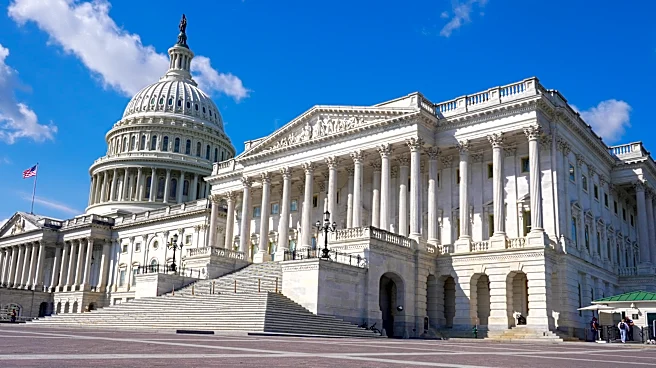
The Protect College Sports Act has advanced in the Senate and is now teed up for a final passage vote. However, its enactment timeline remains uncertain as it still requires approval from the House of Representatives, which is not scheduled to return to Washington until after the midterm elections. The House has previously attempted and failed to pass its own college sports framework, indicating potential challenges for this bill's ultimate passage. Stakeholders, including the NCAA, student-athletes, and advocacy groups like the NAACP, will likely continue to lobby and voice their concerns as the bill moves through the legislative process. The differing opinions within Congress, even after a bipartisan vote, suggest that further debate and potential amendments could occur before any final legislation is passed and signed into law. The bill's journey through the House will be a critical next step in determining the future of college sports regulation.
Beyond the Headlines
The controversy surrounding the Protect College Sports Act extends beyond immediate legislative concerns, touching upon deeper issues of labor rights, racial equity, and the commercialization of amateur sports. The NAACP's opposition, emphasizing the potential disproportionate impact on Black athletes, brings to light the historical and ongoing challenges faced by minority groups within collegiate athletics. The debate over 'bargaining rights' for student-athletes reflects a broader societal discussion about whether college athletes should be considered employees and how their economic value should be recognized. This legislation could set precedents for how future generations of student-athletes are treated, potentially influencing their ability to negotiate for better terms, transfer freely, and benefit from their own NIL. The outcome will not only shape the financial model of college sports but also its ethical framework, determining the balance between institutional control and athlete autonomy in a multi-billion dollar industry.