





What's Happening?
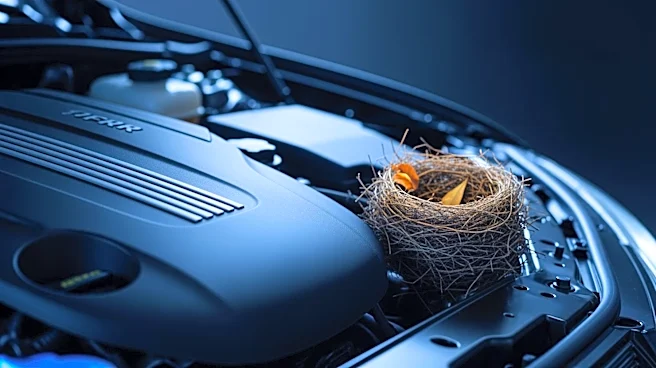
Consumer Reports has highlighted the issue of mice and other rodents causing damage to vehicles by nesting inside them. According to Michael Crossen, a vehicle-maintenance expert at Consumer Reports, rodents can enter cars through openings like air vents
and build nests in areas such as the cabin air filter. This can lead to significant damage, including chewed wires and contamination from droppings and urine, posing both health and safety risks. To address this, Consumer Reports recommends inspecting and cleaning the vehicle thoroughly if signs of rodent activity are detected. This includes using protective gloves, disinfectant spray, and disposable towels to clean affected areas, and replacing contaminated filters. It is advised not to use a vacuum cleaner for cleaning droppings, as it can aerosolize harmful particles.
Why It's Important?
The presence of rodents in vehicles can lead to costly repairs and potential safety hazards. Chewed wires can affect critical vehicle systems, making the car unsafe to drive. Additionally, the health risks associated with rodent droppings and urine can pose respiratory issues for vehicle occupants. By following the preventive measures suggested by Consumer Reports, car owners can avoid these problems and the associated expenses. The advice is particularly relevant for those who park their vehicles in areas prone to rodent activity, such as garages or rural locations.
What's Next?
To prevent future rodent infestations, Consumer Reports suggests several strategies. These include using peppermint oil pouches inside the vehicle to deter mice and applying special tape containing capsaicin around wiring to discourage chewing. Keeping the car free of food debris and sealing garage doors tightly can also help. Additionally, setting mouse traps around the parking area can provide an extra layer of protection. Car owners are encouraged to regularly inspect their vehicles for signs of rodent activity and take preventive measures to avoid damage.