






What's Happening?
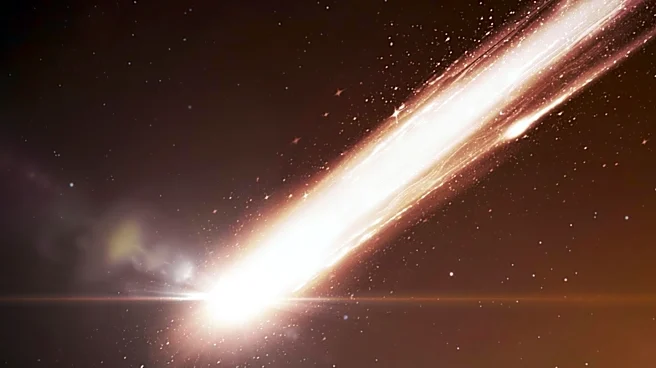
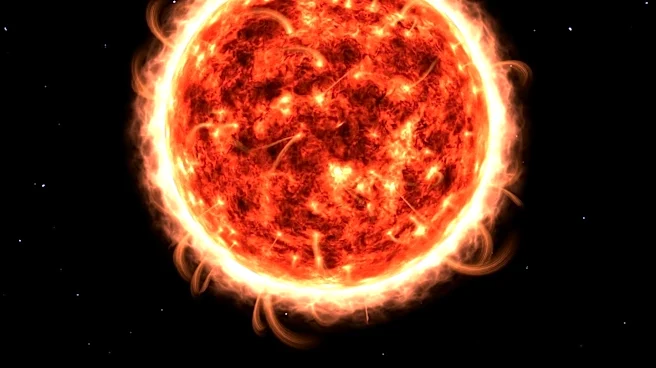
On June 30, the Sun released a strong solar flare, peaking at 4:50 p.m. ET. This event was captured by NASA’s Solar Dynamics Observatory, which constantly monitors solar activity. The flare, classified as an X1.1, represents one of the most intense types
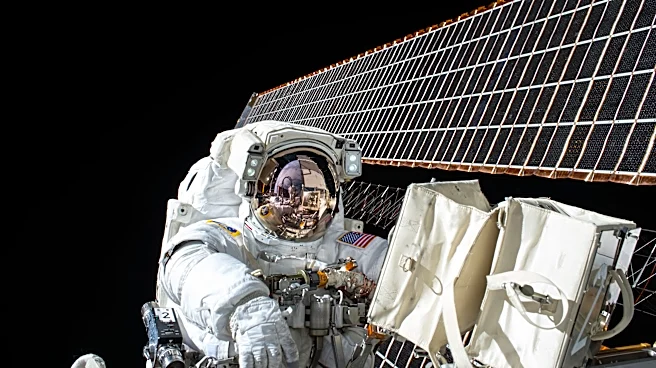
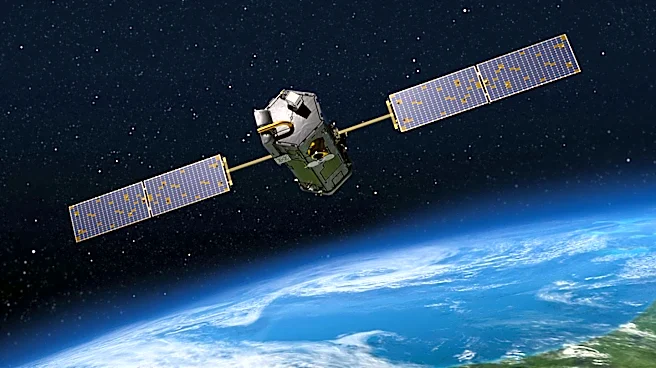
of solar flares. Solar flares are powerful bursts of energy that can have significant impacts on Earth, including disruptions to radio communications, electric power grids, and navigation signals. They also pose risks to spacecraft and astronauts. NASA, as part of its space weather research efforts, continuously observes the Sun and the space environment to understand and predict such events.
Why It's Important?
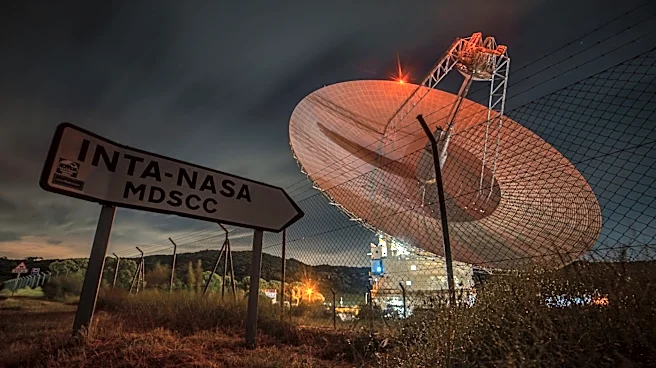
Solar flares like the one observed can have profound effects on technological systems on Earth. Disruptions to communication and navigation systems can have wide-ranging implications for industries reliant on these technologies, including aviation, maritime, and telecommunications. The potential impact on power grids also poses a risk to infrastructure and public safety. Understanding and predicting solar activity is crucial for mitigating these risks. NASA's ongoing research and monitoring efforts are vital for providing timely warnings and forecasts, helping to protect both technological systems and human activities in space.