





What's Happening?
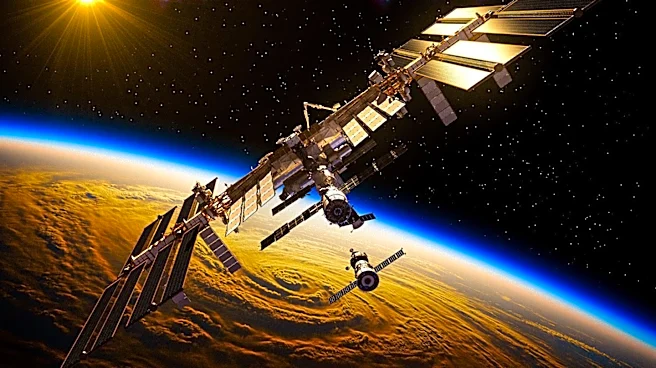
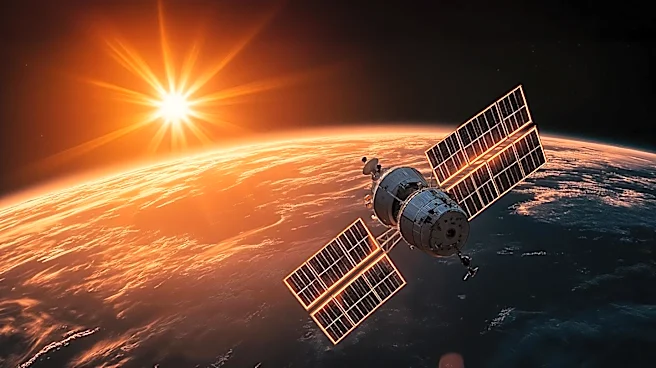
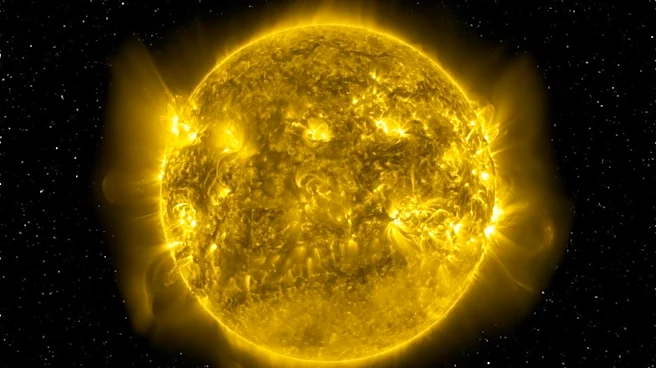
Reflect Orbital, a California-based company, plans to launch a test satellite named Eärendil-1 as part of a project to deploy up to 50,000 space mirrors. These mirrors aim to reflect sunlight onto Earth to provide illumination and support solar energy
generation. The Federal Communications Commission (FCC) has approved the launch, which could create a 5-kilometer-wide beam of light. However, astronomers and experts have raised concerns about the potential disruption to scientific observations and the risk of permanent eye damage to the public. The project could significantly increase light pollution, affecting both professional and amateur astronomers.
Why It's Important?
The deployment of space mirrors could have severe implications for ground-based optical astronomy, potentially ending it due to increased sky brightness and light trails. This would hinder the ability to observe distant celestial objects and detect Earth-threatening asteroids. The project also poses risks to public safety, as accidental exposure to the intense light could cause eye damage. The lack of regulation around satellite brightness and the FCC's limited authority over such concerns exacerbate the issue. The project highlights the tension between technological innovation and the preservation of natural and scientific resources.
What's Next?
Reflect Orbital plans to use the test satellite to refine its technology and operational plans. However, the company has not provided detailed plans to mitigate the risks or inform the public about potential dangers. The National Science Foundation is working with the company on mitigation strategies, but there is no regulatory framework to address the broader concerns. The situation underscores the need for comprehensive regulations on satellite technologies to protect both the environment and public safety.
Beyond the Headlines
The project raises ethical questions about the commercialization of space and the potential loss of natural heritage, such as the night sky. It also highlights the need for international cooperation and regulation to manage the growing number of satellites and their impact on the environment. The debate reflects broader societal challenges in balancing technological advancement with environmental preservation and public health.