




What's Happening?
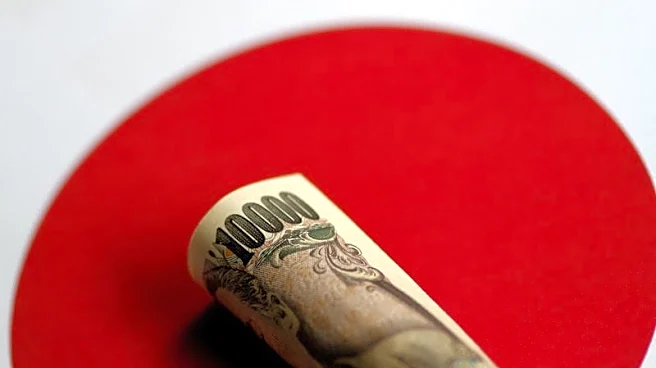
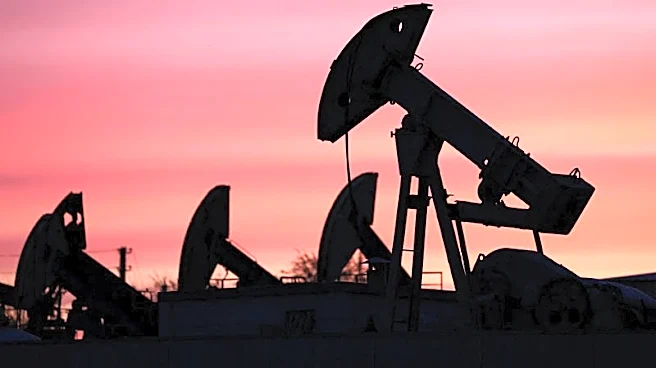
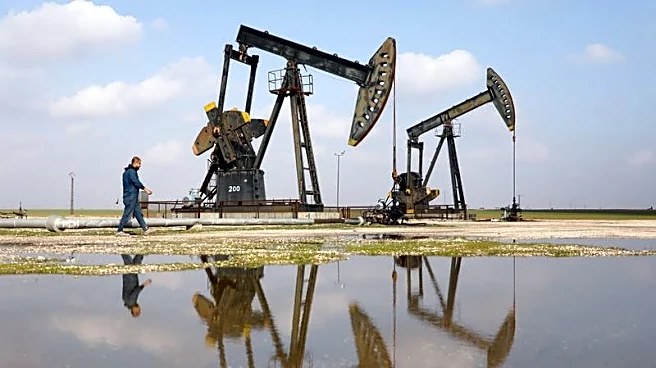
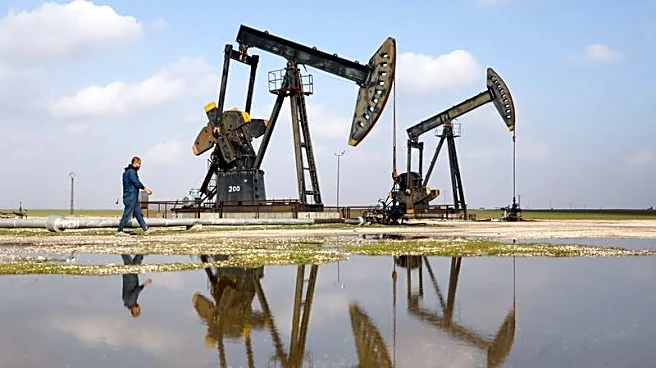
Japan is exploring the possibility of stockpiling U.S. oil domestically as part of its strategy to diversify procurement sources and strengthen energy security. Prime Minister Sanae Takaichi announced this initiative during her visit to the United States,
highlighting Japan's dependency on Middle Eastern oil supplies, which account for over 90% of its imports. The closure of the Strait of Hormuz has exacerbated supply shortages and price increases, impacting various Japanese industries. Japan's strategic reserves currently include joint stockpiles with Saudi Arabia, the UAE, and Kuwait, totaling about 13 million barrels.
Why It's Important?
Japan's move to consider U.S. oil stockpiling reflects the growing need for energy diversification and security in light of geopolitical uncertainties. The closure of the Strait of Hormuz has underscored the vulnerabilities of relying heavily on a single region for energy supplies. By diversifying its sources, Japan aims to mitigate the risks associated with supply disruptions and ensure a stable energy supply for its economy. This initiative also strengthens U.S.-Japan energy cooperation, potentially leading to increased investments in U.S. energy projects and a more resilient energy infrastructure.
What's Next?
Japan and the U.S. are expected to continue discussions on the logistics and implementation of the oil stockpiling plan. This collaboration may involve expanding U.S. energy production and exploring joint projects to enhance energy security. Japan's efforts to diversify its energy sources could serve as a model for other countries facing similar challenges. As geopolitical tensions persist, nations may increasingly prioritize energy security and diversification to safeguard their economies against future disruptions.