






What's Happening?
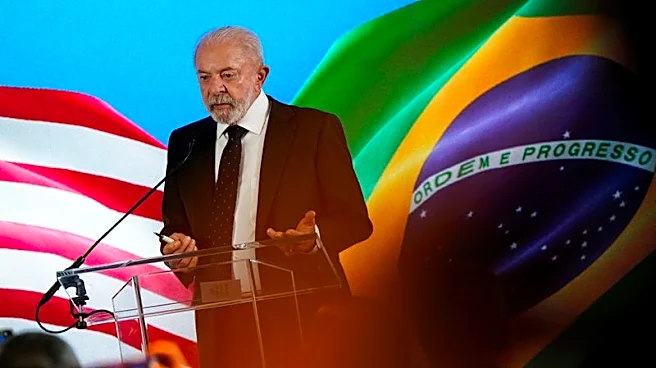
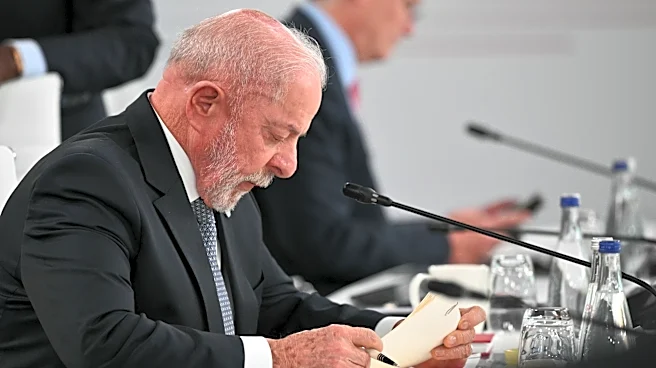
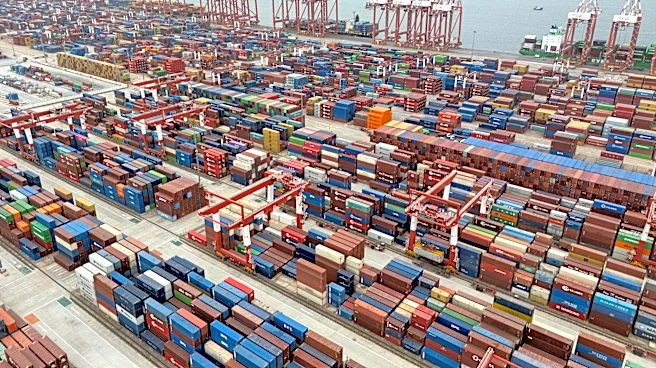
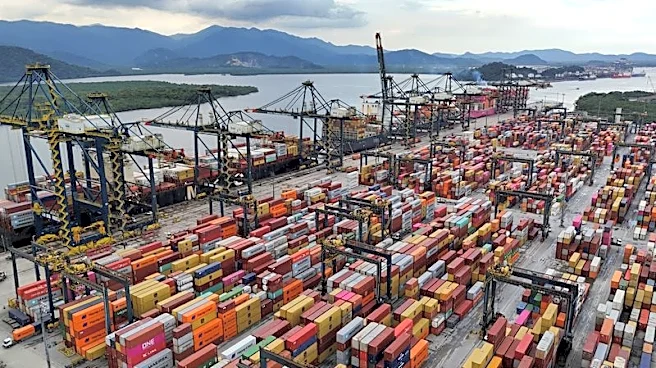
The U.S. has imposed a 25% tariff on Brazilian imports, citing unfair trade practices. This decision comes just months before Brazil's presidential elections, potentially impacting the political landscape. President Luiz Inacio Lula da Silva has used
the tariffs to rally public support, framing them as an attack on Brazil's sovereignty. The tariffs exclude key Brazilian exports like coffee and beef, but the political implications are significant. The move has sparked criticism from Brazilian business groups and could influence voter sentiment in the upcoming elections.
Why It's Important?
The imposition of tariffs on Brazil could have far-reaching political and economic consequences. Politically, it provides President Lula with a platform to strengthen his position ahead of the elections, potentially swaying public opinion in his favor. Economically, the tariffs could disrupt trade relations and impact Brazilian exporters. The situation highlights the intersection of trade policy and domestic politics, with potential implications for U.S.-Brazil relations and the broader geopolitical landscape. The outcome of Brazil's elections could influence future trade negotiations and bilateral relations.