








What's Happening?
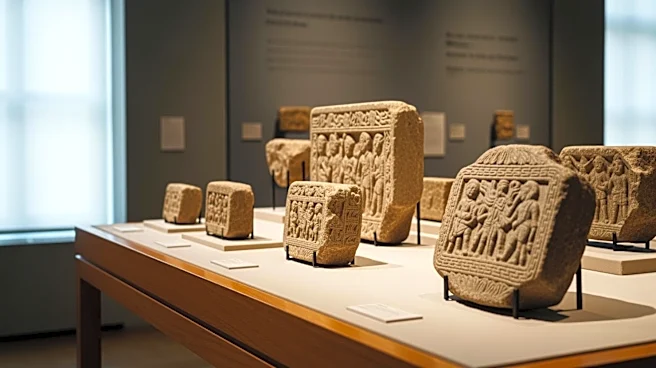
New York officials have returned 657 antiquities valued at $14 million to India, marking a significant move in the ongoing efforts to repatriate stolen cultural artifacts. The Manhattan District Attorney, Alvin Bragg Jr., announced the return, which includes
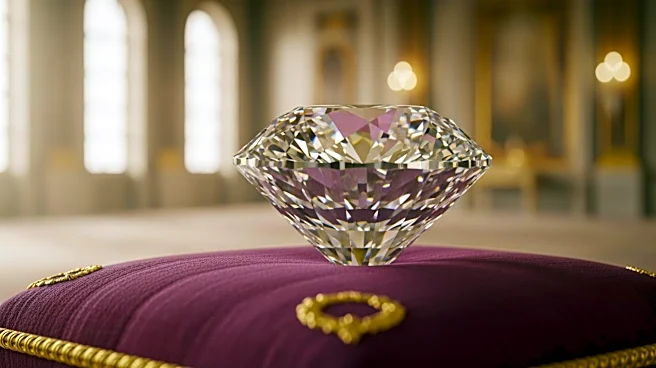
items linked to alleged art smuggler Subhash Kapoor. The ceremony took place at the consulate general of India, highlighting the scale of trafficking networks targeting Indian cultural heritage. Among the returned items are a bronze figure of Avalokiteshvara and a red sandstone Buddha, both smuggled into the U.S. by Kapoor, who faces smuggling charges. The return coincides with New York City Mayor Zohran Mamdani's comments on the Koh-i-noor diamond, suggesting Britain should return the gem to India.
Why It's Important?
The return of these antiquities underscores the ongoing global efforts to address art theft and cultural heritage preservation. It highlights the role of U.S. authorities in combating illegal art trafficking and restoring stolen artifacts to their rightful countries. This move may pressure other nations and institutions to follow suit, potentially leading to more repatriations. The involvement of high-profile figures like Mayor Mamdani in discussions about colonial-era artifacts, such as the Koh-i-noor diamond, further emphasizes the broader debate on colonial history and restitution. The return of these items not only restores cultural heritage but also strengthens diplomatic relations between the U.S. and India.
What's Next?
The return of these antiquities may prompt further investigations into art smuggling networks and lead to additional repatriations. Authorities may continue to scrutinize collections in the U.S. to identify and return stolen artifacts. The discussion around the Koh-i-noor diamond could spark renewed debates on colonial restitution, potentially influencing international policies on cultural heritage. Stakeholders, including governments and cultural institutions, may engage in dialogues to address historical injustices and promote ethical practices in art collection and preservation.
Beyond the Headlines
The return of these antiquities raises ethical questions about the ownership and display of cultural artifacts, particularly those acquired during colonial times. It challenges museums and private collectors to reconsider the provenance of their collections and the moral implications of retaining such items. The broader conversation about colonial restitution may lead to shifts in cultural policies and practices, encouraging transparency and accountability in the art world. This development also highlights the importance of international cooperation in preserving cultural heritage and combating art crime.