

What's Happening?
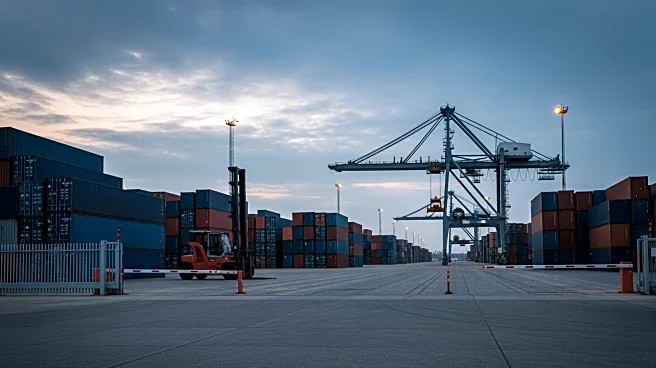
Indigenous protesters have taken control of Cargill's Santarem river port terminal in Brazil's Para state, effectively halting operations. The U.S. grain trader reported that the occupation forced the evacuation of its employees and has led to significant
disruptions. The protest is a response to proposed dredging plans for local rivers, which the protesters argue would harm the environment and their way of life. Cargill, which shipped over 5.5 million metric tons of soybeans and corn through the terminal last year, stated that it is working with local authorities to resolve the situation safely. The protesters have been blocking access to the terminal since January 22, but the impact on operations was limited until the recent escalation.
Why It's Important?
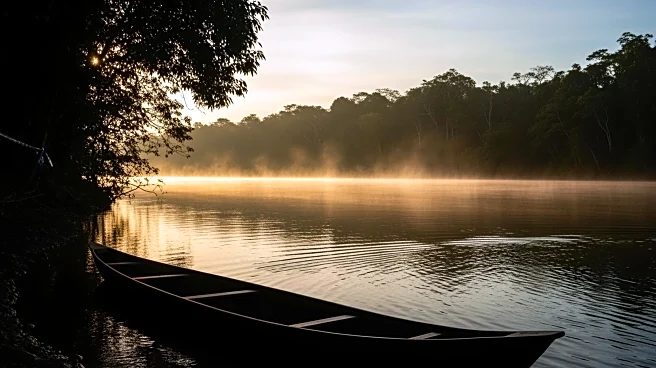
The occupation of Cargill's terminal highlights the ongoing tensions between industrial operations and indigenous communities in Brazil. The proposed dredging of Amazon rivers is seen as a threat to the environment and the livelihoods of local populations who depend on these waterways. This incident underscores the broader conflict between economic development and environmental conservation, a theme that resonates globally. For Cargill, the disruption could affect its supply chain and export capabilities, potentially impacting its financial performance and market position. The situation also raises questions about corporate responsibility and the need for sustainable practices in sensitive ecological areas.
What's Next?
Cargill is in discussions with local authorities to ensure a peaceful resolution to the occupation. The Brazilian government has yet to respond to the protesters' demands to reconsider the dredging decree. The outcome of these negotiations could set a precedent for how similar conflicts are managed in the future. Stakeholders, including environmental groups and other indigenous communities, are likely to monitor the situation closely, potentially influencing public opinion and policy decisions regarding industrial activities in the Amazon.