





What's Happening?
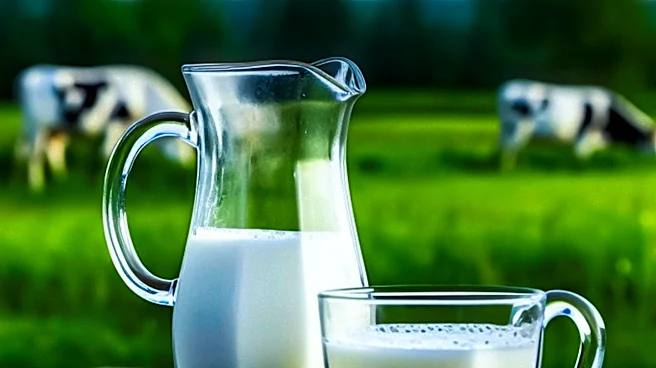
President William Ruto has proposed exploring buffalo milk production as a strategy to diversify Kenya’s dairy sector and alleviate ongoing milk shortages. Speaking at the Agriculture and Food Transformation Summit at the ASK Showground, President Ruto highlighted
the potential of buffalo milk, citing countries like India where these animals are widely reared for dairy. He has instructed the Principal Secretary for Livestock to investigate the introduction of improved camel and buffalo breeds to expand milk production. This initiative comes in response to declining milk production, which is attributed to prolonged drought, deteriorating pasture conditions, and rising costs of animal feed. President Ruto also noted the commercial viability of camel milk, which commands a higher retail price compared to cow's milk, suggesting it as an attractive alternative income source for livestock farmers. The current milk shortage has led to reduced formal milk deliveries to processors and increased prices for consumers.
Why It's Important?
President Ruto's proposal to introduce buffalo milk production is significant for several reasons. Firstly, it represents a proactive approach to addressing a critical national food security issue, as Kenya is currently experiencing a severe milk shortage exacerbated by climate-related challenges like drought. Diversifying the dairy sector with buffaloes and improved camel breeds could provide more resilient and sustainable sources of milk, less susceptible to the environmental pressures affecting traditional cattle farming. Buffalo milk, known for its higher fat and solids content, offers potential for a wider range of dairy products such as cheese, butter, and ghee, which could boost the local dairy processing industry. Furthermore, promoting camel milk production could empower livestock farmers in arid and semi-arid regions, offering them a more lucrative income stream due to its higher market value. This initiative could also reduce the country's reliance on imported dairy products, strengthening the domestic agricultural economy and enhancing self-sufficiency.
What's Next?
Following President Ruto's directive, the Principal Secretary for Livestock is expected to initiate studies and pilot programs for the introduction of improved camel and buffalo breeds. This will involve assessing the suitability of different breeds for Kenya's climate and agricultural conditions, as well as developing strategies for their integration into existing livestock farming practices. Key considerations will include sourcing appropriate breeds, establishing feed and water requirements, implementing animal health management protocols, and developing processing infrastructure for buffalo and camel milk. The commercial viability of these new dairy production systems will also need to be thoroughly evaluated. Additionally, public awareness campaigns may be necessary to educate consumers about the benefits and uses of buffalo and camel milk. The success of these initial phases will determine the broader rollout of buffalo and camel milk production across the country, potentially transforming Kenya's dairy landscape in the coming years.
Beyond the Headlines
Beyond the immediate goal of alleviating milk shortages, President Ruto's proposal to introduce buffalo milk production carries broader implications for agricultural innovation and climate resilience. This move signifies a shift towards exploring non-traditional livestock options that may be better adapted to changing climatic conditions, offering a model for other nations facing similar challenges. The initiative could also foster new research and development in veterinary science and dairy technology, specifically tailored to buffalo and camel husbandry. Ethically, the introduction of new animal species would require careful consideration of their ecological impact and welfare standards. Culturally, integrating buffalo milk into a predominantly cow milk-consuming society might face initial resistance but could eventually lead to a diversification of dietary habits and culinary traditions. This strategic pivot could position Kenya as a leader in adaptive agricultural practices, demonstrating how innovation can address both economic and environmental pressures in the food sector.