


What's Happening?
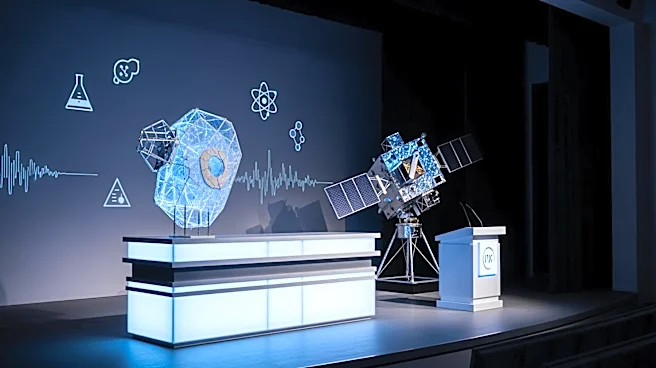
On March 30, 2026, the Gulf of Maine Research Institute (GMRI) and NASA's Learning Ecosystems Northeast (LENE) project hosted the third annual Findings from the Field Student Research Symposium in Portland, Maine. The event featured 106 students from grades
four through eight, 29 educators, and 15 Subject Matter Experts. Students presented 68 research posters, participated in 14 lightning talks, and engaged in five discussion sessions. The symposium aimed to break down traditional barriers in science communication, allowing students to interact directly with data and experts. A keynote by Dr. Dave Reidmiller emphasized the collaborative nature of science, encouraging students to see themselves as part of a larger scientific community.
Why It's Important?
The symposium highlights the importance of engaging young students in scientific inquiry and communication. By positioning students as experts, the event fosters a sense of agency and confidence in young scientists, potentially inspiring future careers in STEM fields. The involvement of NASA and other scientific bodies underscores the value of early education in science, promoting a culture of curiosity and collaboration. This approach not only benefits the students but also enriches the scientific community by introducing fresh perspectives and ideas.
What's Next?
The success of the 2026 symposium suggests a growing interest in student-led scientific events. With plans to expand the symposium in 2027, more students will have the opportunity to participate and present their research. The continued support from organizations like NASA and GMRI will be crucial in maintaining the momentum and ensuring that young scientists have the resources and platforms they need to thrive.